As an Amazon Associate, we earn from qualifying purchases. Some links on this site are affiliate links at no extra cost to you. Our recommendations are based on thorough research and editorial judgment.


Fixing Topiary Mistakes: How to Rescue an Over‑Pruned Tree

Over-pruned topiary slows growth and reduces leaf surface, limiting photosynthesis and food production crucial for recovery. Identifying resilience in species like Forsythia or Lilac helps guide pruning limits—typically no more than one-third canopy removal. Restoration pruning involves selecting 1-3 strong shoots after a year’s growth, coupled with deep watering (5 to 10 gallons weekly) and balanced fertilization. Monitoring for weak branches and excessive sprouting is critical, as is patience during the 1-2 year healing phase. Further guidance covers ongoing care essentials.
Key Takeaways
- Avoid further pruning immediately to reduce stress and allow the tree to recover naturally over one to two years.
- Deep water weekly and apply balanced fertilization to support healthy regrowth and replenish nutrients.
- Monitor for weak branches and excessive sprouting, selectively removing weak shoots and retaining strong leaders for balanced growth.
- Mulch around the base to regulate soil temperature, retain moisture, and improve soil health.
- Consider professional evaluation for structural instability or long-term decline to design effective pruning and care strategies.
Understanding the Impact of Over Pruning
You may be interested


When trees undergo excessive pruning, their ability to perform photosynthesis is substantially diminished. Over pruning removes much of the foliage, reducing the leaf surface area responsible for converting sunlight into energy. This limits the tree’s food production, weakening its overall health. Over pruning also increases a tree’s vulnerability to pests and diseases because stress compromises its natural defenses. Structural integrity deteriorates as branches grow weak and fail to withstand wind or ice loads, leading to potential breakage. Recovery is slow, typically taking one to two years to regenerate a stable canopy. Careful fertilization and consistent watering are essential to support regrowth during this period. Understanding these effects helps arborists and gardeners avoid excessive cuts, ensuring trees maintain liveliness and resilience. Additionally, performing pruning during the dormant season can minimize stress and promote healthier recovery.
Signs Your Tree Has Been Over Pruned

How can one identify if a tree has been over-pruned? Over-pruning often results in weak branches that cannot withstand wind or ice pressure due to insufficient foliage support. Excessive sprouting around pruning cuts signals the tree’s attempt to compensate for lost canopy volume. When many leaves are removed, photosynthesis decreases, reducing the tree’s overall health and wellness. Cuts made improperly increase vulnerability to pests and diseases, especially if they disrupt the protective bark layers. Over time, repeated over-pruning compromises structural integrity, leading to progressive health decline. Monitoring these signs early can prevent long-term damage. Regularly inspect branch strength, sprouting patterns, and leaf density to assess over-pruning impact and adjust pruning methods accordingly, ensuring the tree’s sustainable growth and resilience. Choosing UV-resistant polyethylene materials for artificial topiary can be a practical alternative to manage garden aesthetics while reducing the risk of improper pruning damage.
Tree Species That Can Withstand Hard Pruning

Several deciduous shrubs and small trees, such as Forsythia, Spirea, and Dogwood, are commonly recognized for their resilience to hard pruning. Other species like Honeysuckle, Lilac, Weigela, Hydrangea, and Potentilla also tolerate severe pruning when mature and healthy. Proper pruning techniques are essential to avoid excessive canopy removal; no more than one-third should be cut at once to reduce stress. Correct species identification informs appropriate pruning decisions, as individual tree health and site conditions affect recovery ability. Providing supplemental care with adequate moisture and balanced fertilization supports regrowth after hard pruning. Using sharp, clean tools further promotes healthy wound closure. These practices collectively help guarantee that resilient tree species recover successfully, minimizing long-term damage from over-pruning. Additionally, understanding the maintenance requirements of artificial trees can provide useful insights into proper care practices for real trees during recovery.
Recommended Products

Cuts hard-to-reach branches from aerial basket or from the ground

Purchase Patriot's RED & WHITE STRIPED Electric Cord now and EXTEND YOUR CHIPPER’S WARRANTY 1 YEAR.

EFCUT C30 Wood Chipper Shredder has a 15.6 inch cutting rotor with 2 blades + 6 hammers turning out smaller shreds with high feeding speed, grilling device on discharge outlet turning shreds and leaves on branches into mulches
Why Patience Is Crucial for Recovery

Although over-pruning can severely reduce a tree’s energy reserves, recovery typically requires one to two years to fully resume normal growth patterns. Patience is essential because the tree’s reduced foliage limits photosynthesis, hindering energy production needed for new shoot development. Newly emerging shoots may look uneven or scraggly, but avoiding further pruning during this phase prevents additional stress. Consistent care, including deep watering to reach root zones approximately 12-18 inches below surface and monitoring soil moisture, supports gradual restoration. Regular inspection for pests or disease also aids recovery. This steady approach allows the tree to rebuild a healthy canopy, restoring photosynthetic capacity and structural balance over time. Consequently, patience coupled with attentive maintenance forms the foundation of successful recovery after over-pruning. Additionally, incorporating low-maintenance greenery such as artificial trees can complement your outdoor space during the recovery period without adding extra care demands.
Proper Fertilization for Over-Pruned Trees

Proper fertilization plays an important role in the recovery of over-pruned trees. Evaluating soil for mineral deficiencies guarantees that proper fertilization addresses specific nutrient gaps. Incorporating nutrient-rich compost enhances soil quality and provides fundamental elements like nitrogen, phosphorus, and potassium that promote healthy new growth. A balanced fertilizer supports photosynthesis and general vitality during stress recovery. Fertilizers should be applied during the growing season to maximize nutrient uptake and encourage strong branch development. Monitoring soil moisture is also essential, as adequate hydration enables roots to absorb nutrients efficiently. Proper fertilization combined with careful soil and moisture management offers the best chance for over-pruned trees to regain strength and produce dense, healthy foliage in subsequent growth cycles. Additionally, choosing UV-resistant materials for outdoor plants helps prevent stress from sunlight exposure, contributing to overall plant health.
The Role of Mulching in Tree Recovery
In addition to nutrient management, mulching plays an essential role in supporting tree recovery. Mulching regulates soil temperature, creating a stable environment for new growth on over-pruned trees. Applying a 2-3 inch thick mulch layer helps retain moisture, ensuring roots stay hydrated during early recovery stages. As mulch decomposes, it adds organic matter that supplies nutrients essential for healthy branch development after pruning. Additionally, mulching suppresses weeds, reducing competition for water and nutrients critical during regrowth. Proper mulch placement—avoiding direct contact with the trunk—prevents rot and maximizes effectiveness. Overall, mulching creates ideal soil conditions, strengthening recovery efforts and supporting new growth. This practice complements fertilization by enhancing soil quality and moisture balance while protecting root systems during vulnerable regrowth phases. Using weighted pots in potted trees can also improve stability and support the overall health of recovering plants.
Recommended Products

It can save time and cost-effectively cut plants in larger areas. It has 16in of side shift capability to support working around perimeters, fence lines, tree wells, etc.

✔ GET MORE FOR YOUR MONEY - Our premium Longleaf pine needles contain much less debris than other competitors. This product is sustainably harvested from our tree farms, and it’s cleaned before packaging. Our pigment colorant is non-toxic and safe.
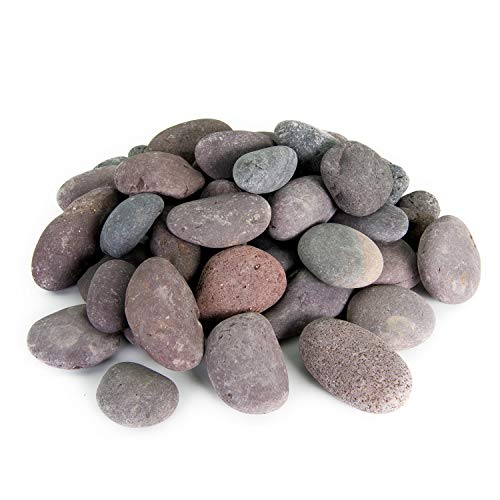
100% NATURAL STONES, HAND-PICKED from the shores of the Baja California Peninsula. These ultra-premium pebbles are used by landscape professionals all over the world due to their uniformity in size, shape, and texture.
Best Practices for Watering Damaged Trees
Several factors guide effective watering practices for damaged trees during recovery. Water deeply once a week, applying about 5 to 10 gallons each time to guarantee thorough soil saturation. Monitoring soil moisture is critical, aiming for consistent dampness roughly two inches below the surface to support new growth and healing. Mulching around the tree base enhances water retention, moderates temperature, and suppresses weeds, which collectively benefit tree health. Adequate watering combined with mulch improves nutrient uptake, fostering regrowth and wellness after pruning stress. However, overwatering must be avoided since soggy soil conditions encourage root rot, impairing recovery. Balancing irrigation thoughtfully addresses the fragile needs of compromised trees, helping maintain prime tree health throughout their rehabilitation phase. When selecting trees for small gardens, considering dwarf fruitless olive trees can reduce maintenance while ensuring healthy growth.
Assessing the Need for Wound Dressing
After addressing watering strategies for damaged trees, attention shifts to evaluating the use of wound dressings. Generally, wound dressing is not recommended for over-pruned trees because natural healing occurs through callus tissue formation. Applying wound dressing may trap moisture, increasing fungal infection risks rather than aiding recovery. However, wound dressing can be beneficial in specific situations, such as preventing oak wilt disease or pest infestations. In these cases, specialized barrier materials help reduce reinfection chances. Consulting a professional arborist is advisable to assess if wound dressing suits the tree’s species, condition, and environment. Proper evaluation guarantees effective treatment without hindering the tree’s natural defense mechanisms, optimizing healing while minimizing unnecessary interventions. This careful judgment supports long-term topiary restoration success. Additionally, maintaining proper seasonal care ensures the tree remains healthy and resilient throughout the year.
Step-by-Step Guide to Restoration Pruning
Three fundamental steps guide effective restoration pruning for damaged topiary trees. First, allow new shoots to develop for one year, confirming they are fully hardened before pruning begins. Second, identify strong leaders among the tallest undamaged shoots to reestablish structural integrity and support. Third, remove weak or poorly placed shoots by cutting them to trunk level, while retaining 1–3 strong sprouts per topping cut. These sprouts should be trimmed to half their length, encouraging balanced growth and maintaining the desired shape. Restoration pruning focuses on promoting robust, dominant branches that facilitate recovery, which may need repeating every 2–3 years. Regular monitoring confirms these efforts lead toward a stable and healthy tree form over time, without overwhelming the plant’s resources or causing further damage. Additionally, providing the tree with well-draining soil and moderate watering can further enhance recovery by preventing root rot and supporting healthy growth.
Ongoing Maintenance After Initial Recovery
Maintaining balanced growth secures long-term success in topiary restoration. Ongoing maintenance requires repeating restoration pruning every 2-3 years for roughly ten years. This schedule promotes strong structural stability and encourages healthy new growth. Regular monitoring of shoots and leaders is essential to confirm proper development and form recovery after pruning stress. Previously left sprouts must be pruned consistently to maintain shape and avoid overcrowding, which can stress the tree. Adequate watering and supplying balanced nutrients, such as nitrogen-phosphorus-potassium blends, support robust shoot establishment. Detailed records help track progress and adjust care protocols if necessary. This sustained attention guarantees the tree regains its architectural integrity and resilience. Overall, ongoing maintenance balances patience and precision to secure a fully restored, vibrant topiary over time. Using UV-resistant materials in outdoor topiaries helps maintain their appearance alongside proper pruning and care.
When to Seek Professional Tree Care Assistance
Several indicators suggest that professional tree care assistance may be necessary. Signs like weak branches, excessive sprouting, or increased pest attacks often signal stress from over-pruning. When to seek professional tree care assistance includes situations of significant structural instability or visible long-term decline. An arborist evaluates damage and recovery options while advising on correct fertilization and watering. Soil health assessment and proper amendments guarantee nutrient availability supporting regrowth. Additionally, professionals design pruning schedules that prevent repeated mistakes and over-pruning. Timely consultation prevents complications and promotes sustained tree health. Knowing specific interventions, such as branch support or selective thinning, requires expert judgment. Overall, professional tree care expertise offers precise diagnostics and tailored recommendations crucial for effectively rescuing over-pruned trees and maintaining landscape stability.
Frequently Asked Questions
Can a Tree Recover From Over Pruning?
A tree can recover from over pruning with adequate care, supporting tree health through proper watering, fertilizing, and mulching. Recovery typically takes one to two years, requiring patience as new growth restores the tree’s vigor effectively.
How to Revive a Topiary Tree?
To revive a topiary tree, proper pruning techniques must be implemented alongside consistent deep watering, mulching to retain moisture, and balanced fertilization. Patience is essential as the tree gradually regrows its canopy over time.
How to Save an Over-Pruned Tree?
Saving an over-pruned tree requires careful pruning techniques, adequate watering, and fertilization. Allow recovery time, avoid further trimming, apply mulch, assess soil nutrients, and monitor health to promote new growth and restore its vigor effectively.
How to Reshape a Topiary?
Reshaping a topiary requires applying precise topiary techniques: evaluating its current form, selecting healthy shoots for growth, pruning weaker branches gradually, and maintaining balance. Consistent monitoring and trimming every 2-3 years guarantees a refined silhouette.