As an Amazon Associate, we earn from qualifying purchases. Some links on this site are affiliate links at no extra cost to you. Our recommendations are based on thorough research and editorial judgment.


Topiary Vs Natural Shape: Which Style Fits Your Home?

Topiary involves sculpting woody plants like boxwood into formal shapes such as cones, spirals, or animals, requiring frequent trimming and pest management. Natural shape plants grow with minimal intervention, promoting biodiversity and a relaxed aesthetic. Real topiary suits outdoor gardens with adequate sunlight and irrigation, while natural shapes thrive in low-maintenance landscapes. Artificial topiary offers consistent, low-care decor for indoor or shaded areas. Homeowners should consider climate, upkeep, and visual goals to decide which fits best. Further details clarify these choices.
Key Takeaways
- Topiary provides structured, artistic shapes requiring frequent maintenance, ideal for formal gardens or homes valuing precise aesthetics.
- Natural shape plants grow freely, promoting biodiversity and a relaxed, organic garden feel suitable for eco-conscious homeowners.
- Real topiary needs ample sunlight, water, and pest care, while natural shapes adapt more easily to local environmental conditions.
- Artificial topiary offers low-maintenance, year-round greenery for indoor/outdoor spaces with limited light or water access.
- Choose topiary for visual impact and design control; opt for natural shapes to enhance ecological balance and natural landscape harmony.
Defining Topiary and Natural Shape Plants
You may be interested


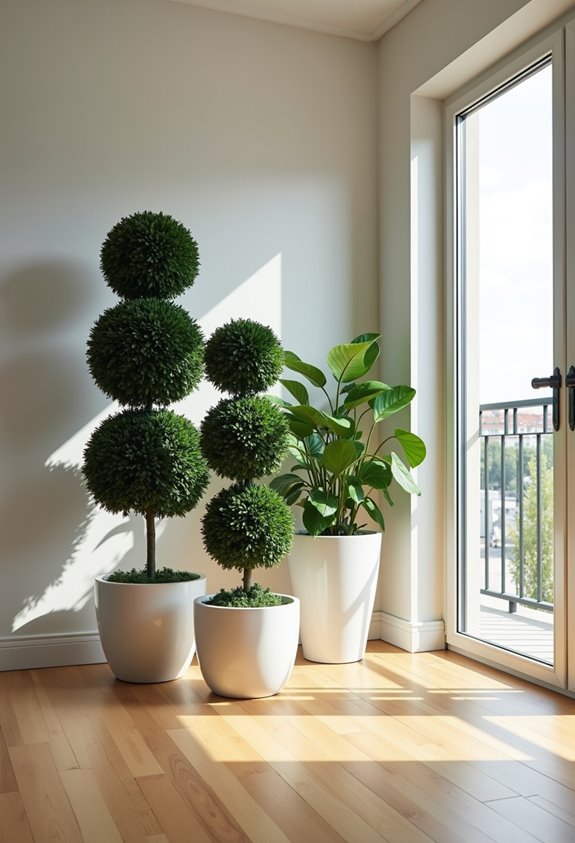
Topiary is a specialized horticultural practice involving the precise trimming and shaping of woody plants into decorative forms. It transforms greenery into specific ornamental forms like cones, spheres, or animals through regular pruning. These carefully sculpted shapes require ongoing maintenance needs, including trimming every few weeks, to maintain their crisp, stylized visual appeal. In contrast, natural shape plants grow without human intervention, preserving their species’ inherent structure and promoting biodiversity in outdoor settings. They contribute to a more organic atmosphere with less intensive care focused mainly on general health rather than shape control. While topiary emphasizes formal design and clearly defined forms, natural shape plants support ecological balance by providing varied habitats and a relaxed, naturalistic garden aesthetic. Both approaches serve different landscaping functions depending on desired visual and ecological outcomes. Artificial spiral topiary trees offer a maintenance-free option that captures the aesthetic appeal of topiary without the need for constant upkeep.
Historical Background of Topiary Art

Garden sculpting as an art form dates back to ancient Rome, where affluent families used clipped plants to enhance aesthetics and symbolize wealth. Topiary emerged as a historical practice of shaping evergreen plants, especially boxwood and yew, in carefully trimmed forms to create sculpted gardens. This technique demonstrated both artistic skill and social status. During the Renaissance, topiary gained renewed interest across Europe, embraced by nobility who commissioned elaborate designs to adorn their estates. Evergreen plants like boxwood were favored for their dense foliage and tolerance of frequent clipping. Over time, this art form influenced landscape design, blending classical methods with innovative approaches. Today, topiary reflects centuries of horticultural tradition, merging historical roots from ancient Rome with modern creativity and practical garden applications. Modern artificial boxwood topiary trees provide a low-maintenance alternative while preserving the classical elegance of this timeless art form.
Popular Shapes and Varieties of Topiary

Shaped greenery offers varied artistic expressions, from simple cones to elaborate animal figures. Popular topiary shapes include the classic ball, cone shape, spirals, pyramids, and detailed animal forms. Boxwood topiary is favored for its dense foliage and ability to retain crisp edges, making it ideal for classic shapes in semi-shaded garden spots. Spirals and cones, regarded as elegant designs, often utilize plants like dwarf Alberta spruce or Italian cypress, meticulously trimmed during growth. Animal topiaries provide creative visual appeal in parks and homes. For those seeking less effort, artificial topiary plants replicate boxwood and cypress textures, serving as a low-maintenance alternative with year-round consistency. These varieties balance artistry with practicality, enhancing different garden aesthetics through thoughtful selection. Many faux cone topiary trees are made from durable, UV-resistant materials, ensuring long-lasting appeal both indoors and outdoors.
Characteristics of Natural Shape Plants

Natural shape plants display diverse, irregular forms that develop organically over time. These plants feature irregular branching and asymmetrical growth, creating unique silhouettes influenced by their environment. Seasonal color changes enhance visual interest as leaves shift hues throughout the year. Often native plants, they support biodiversity by fostering wildlife habitats that attract local fauna such as birds, insects, and small mammals. Their growth encourages a vibrant ecosystem, contributing to improved soil health through natural nutrient cycling. Natural shape plants adapt to light, soil type, and climate conditions without extensive pruning, promoting sustainability. Gardeners seeking an eco-friendly option typically utilize native plants to reduce water and fertilizer needs. This approach helps maintain ecological balance while offering a less structured, more dynamic plant appearance. Unlike natural shapes, certain topiary trees offer maintenance-free landscaping options that require no watering or pruning, which can provide convenience for homeowners seeking low-care greenery.
Recommended Products

100% Pure, Non-GMO Seeds - No fillers, favorites only! Includes 25 easy-to-grow species: Cornflower Dwarf Blue, Candytuft, Sweet William, Indian Blanket, Prairie Coneflower, Mexican Hat, Tall Cornflower/Bachelor Button, Lance leaf Coreopsis, Mixed Red Shirley, Wild Cosmos, Blanket Flower, Black Eyed Susan, Wild Perennial Lupine, Purple Coneflower, Russel Lupine, Plains Coreopsis, Siberian Wallflower, Blue Flax, Scarlet Flax, Annual Red Phlox, Sulphur/Orange Cosmos, Gloriosa Daisy

100% Pure, Non-GMO Seeds - No fillers, favorites only! Includes 20 easy-to-grow species: Cornflower Dwarf Blue, Lance Leaf Coreopsis, Wild Cosmos, Blanket Flower, Black Eyed Susan, Wild Perennial Lupine, Purple Coneflower, Russel Lupine, Plains Coreopsis, Siberian Wallflower, Blue Flax, Scarlet Flax, Annual Phlox, Orange Cosmos, Gloriosa Daisy
![Greenwood Nursery: Live Trees - Sky Pencil Japanese Holly Tree + Ilex Crenata - [Qty: 50x 2.5 Pots] - (Click for Other Available Plants/Quantities)](https://m.media-amazon.com/images/I/51l42AXgHNL._SL500_.jpg)
🌿 [INFO1] - Unique, Ilex crenata, commonly known as Japanese holly or box-leaved holly, is a dense, multi-branched, evergreen shrub with a rounded form that typically matures to 5-10’ tall and wide with dozens of uses in the landscape. It's appreciated for its glossy, spineless, deep green leaves. It has 4 petaled white flowers which bloom in 3-7 flowered cymes in late spring, and black, rounded, and somewhat inconspicuous fruits.
Visual Impact and Design Styles for Topiary

A well-executed topiary offers a distinct visual impact with its precise geometric and animal-shaped forms. This structured approach creates strong focal points in outdoor areas, guiding viewers’ attention through garden design. Common design styles featuring topiary include spirals, cones, and intricate figures that add personality and formal symmetry. In contrast, natural shapes present organic irregularities, fostering a more casual and relaxed aesthetic. Utilizing topiary alongside natural shapes encourages harmony, balancing structure with fluidity in a single landscape. For example, trimmed boxwood spheres can frame pathways, enhancing spatial definition while complementing loosely arranged shrubs. Overall, topiary’s visual impact in garden design promotes order and intentionality, making it suitable for those favoring classical or contemporary styles requiring precise form and clarity. Additionally, incorporating compact plants known for their efficient space use and low maintenance can further enhance both indoor and outdoor areas where topiary is displayed.
Creating a Relaxed Atmosphere With Natural Shapes
Contrasting with precise geometric topiary, organic forms introduce softness and irregularity to garden layouts. Natural shapes mimic organic structures found in nature, fostering a relaxed atmosphere and tranquility in outdoor spaces. Lush topiary, crafted from plants like boxwood and yew, adds visual interest while supporting intimate areas ideal for social gatherings. These shrubs typically grow between 1 to 3 feet in height, making them appropriate for pathways and seating borders. Seasonal evolution in color and texture enhances serene landscapes, allowing the garden to shift dynamically throughout the year. This interaction encourages a continuous sensory experience rather than a static display. Overall, natural shapes offer a flexible design approach that balances formal structure with natural appeal, suited for homeowners seeking peaceful, inviting gardens with subtle sophistication. For those seeking year-round greenery without the upkeep, artificial topiary trees provide a maintenance-free alternative that mimics natural beauty flawlessly.
Maintenance Differences Between Topiary and Natural Plants
Several key distinctions exist between maintaining real and artificial topiary, driven by their material and biological nature. Real topiary demands frequent upkeep, like trimming every few weeks, watering, and fertilizing, requiring moderate to difficult maintenance. In contrast, artificial topiary offers hassle-free care with only occasional dusting needed. Real topiary also faces pests and disease risks, affecting health and shape, while faux versions remain unaffected by insects. Seasonal care intensifies for real topiary during growth periods, increasing time and effort. Although real topiary entails higher ongoing costs, artificial topiary involves a larger initial investment but results in long-term savings by eliminating upkeep expenses. Choosing between the two depends on the homeowner’s willingness to manage biological challenges versus opting for durable, low-maintenance decor. Additionally, many artificial topiaries are crafted from UV-protected PE materials that ensure long-lasting color and shape, enhancing their suitability for both indoor and outdoor use.
Recommended Products
![MEGAGRASS 15 x 99 Feet Premium Deluxe Realistic Synthetic Porch Turf Rugs - Outdoor Artificial Grass Pads [Fake Grass Carpet for Decks, Patios, Lawn, Pets, Dogs, Puppy Potty, and Balcony Mats]](https://m.media-amazon.com/images/I/41bzKRpABQL._SL500_.jpg)
PREMIUM PORCH GREEN: Enjoy a fresh, natural-looking, and superior soft feeling porch or deck all year long using our luxurious lifelike emerald and olive green thatch roll.

PREMIUM QUALITY: Our Artificial Plant Panels are made of High Density Polyethylene (HDPE) for great durability which won't wither or fade, even under harsh outdoor environment conditions.

Premium Material - Constructed using high-density polyethylene, these green wall panels retain their freshness and vibrancy even in challenging outdoor conditions. Integrated UV protection ensures long-lasting color retention.
Best Home Environments for Each Style
When selecting between topiary styles, the home’s environment plays an essential role in determining suitability. Artificial topiary is an ideal solution for indoor and outdoor spaces requiring vibrant green aesthetics with low maintenance. It thrives in offices or patios where sunlight or watering aren’t accessible. Conversely, real plants excel outdoors where proper sunlight, soil drainage, and gardening abilities support their growth and unique shaping. Real topiary enriches traditional gardens and cottage-style homes, enhancing biodiversity by attracting local wildlife. Artificial topiary suits contemporary interiors and entryways, offering consistent shape and weather resilience. Indoor use of real topiary benefits air quality through photosynthesis but demands more care. Ultimately, evaluating natural conditions and maintenance capacity clarifies which topiary style aligns best with specific home environments, whether indoor or outdoor. For outdoor privacy enhancements, incorporating weather-resistant artificial privacy screens can provide both beauty and functionality with minimal upkeep.
Recommended Products
PREMIUM PORCH GREEN: Enjoy a fresh, natural-looking, and superior soft feeling porch or deck all year long using our luxurious lifelike emerald and olive green thatch roll.
PREMIUM PORCH GREEN: Enjoy a fresh, natural-looking, and superior soft feeling porch or deck all year long using our luxurious lifelike emerald and olive green thatch roll.
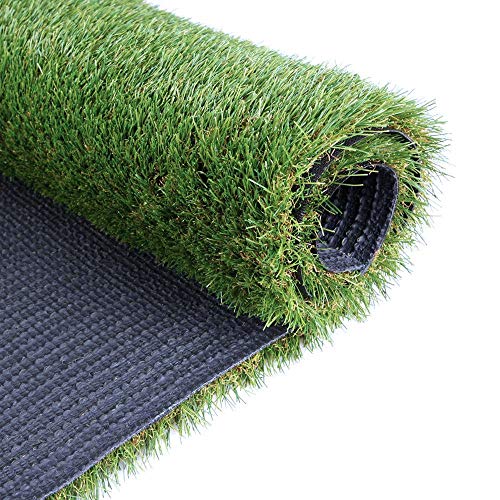
Realistic Artificial Grass: Our grass mat is designed and made according to the real fescue like grass, With 4 tone Color around 1.38 in length, soft and lush and the thatch looks & feels like real natural grass. Providing you with Year round Green and turf enjoyment, perfect for all indoor and outdoor projects
Factors to Consider When Choosing Between Topiary and Natural Shapes
Selecting between topiary and natural shapes involves evaluating multiple practical factors critical to long-term success. Maintenance requirements differ greatly; real topiary demands frequent trimming, watering, and fertilizing, while artificial topiary requires no upkeep, making it suitable for busy homeowners. Climate plays a key role—real topiary may not survive extreme heat or frost, whereas artificial topiary withstands harsh outdoor spaces without damage. Visual impact varies; real topiary offers a dynamic, seasonal presence, contrasting the uniform, consistent look of artificial topiary. Budget considerations include ongoing real topiary care costs versus a higher initial price for artificial options. Personal gardening skills influence choice—experienced gardeners often enjoy real topiary’s craftsmanship, while novices prefer the convenience and durability of artificial topiary in diverse outdoor environments. Additionally, faux boxwood topiary trees provide UV-resistant polyethylene construction that ensures durability and vivid color retention in outdoor settings.
Frequently Asked Questions
Are Topiaries Still in Style?
Topiary trends remain strong, enhancing garden aesthetics and indoor decorations with timeless designs. Their historical significance endures, supported by creative pruning techniques, seasonal updates, maintenance tips, and versatile landscape choices that appeal to contemporary and classic tastes alike.
Are Fake Topiaries Tacky?
Artificial plants are not inherently tacky; their decorative appeal depends on material quality, design trends, and aesthetic preferences. With low maintenance requirements, indoor use adaptability, outdoor versatility, and year-round seasonal decor, they suit diverse homes effectively.
What Is the Difference Between Topiary and Espalier?
Topiary techniques shape evergreen plants into ornamental forms, emphasizing artistic expressions, while espalier benefits include space-efficient fruit production. Design contrasts reflect maintenance differences, plant varieties, aesthetic choices, seasonal considerations, and distinct landscape applications.
Are Topiaries Hard to Keep Alive?
Topiaries require diligent topiary care, including seasonal maintenance, precise pruning techniques, proper watering frequency, and attention to soil preferences. Understanding growth patterns, sunlight requirements, and pest management is essential. Success also demands design creativity and consistent effort.