As an Amazon Associate, we earn from qualifying purchases. Some links on this site are affiliate links at no extra cost to you. Our recommendations are based on thorough research and editorial judgment.


How to Secure Pots and Trees on High‑Rise Balconies

Securing pots and trees on high-rise balconies requires heavy, durable planters made from concrete or steel, ideally low and wide to lower the center of gravity. Strong anchor bolts or brackets should fasten containers to railings or walls to prevent tipping. Windbreaks, such as trellises or tall plants, reduce wind impact, while regularly checking drainage prevents water buildup that destabilizes pots. Using weighted bases filled with sand further enhances stability. For detailed strategies and maintenance tips, consider advanced techniques that address wind and moisture challenges.
Key Takeaways
- Use heavy, low-profile planters made of concrete or steel to enhance stability against strong high-rise winds.
- Secure pots with heavy-duty anchor bolts or brackets fixed to railings or balcony floors for firm attachment.
- Place large pots at edges as windbreaks and use weighted bases filled with sand or gravel to prevent tipping.
- Install sturdy support structures like trellises or rebar to anchor taller plants and reduce wind damage.
- Regularly inspect and maintain all anchors, drainage, and securing devices, especially after harsh weather conditions.
Assessing Balcony Wind Conditions
You may be interested


How do wind conditions affect balcony gardening? High-rise balconies face significant wind exposure, with gusts often exceeding 30 mph. Evaluating wind patterns involves noting direction, frequency, and intensity, which vary with surrounding buildings and weather. Such conditions pose potential damage, threatening the stability and secure placement of pots. Frequent monitoring of moisture levels is necessary because wind can dry soil rapidly, making self-watering pots a practical solution for consistent hydration. Stability is improved by securing containers against tipping, especially during strong gusts, using weighted bases or anchors. Additionally, implementing windbreaks—such as trellises or tall plants—creates sheltered spots, mitigating direct wind force on pots and trees. Proper evaluation guarantees effective protection strategies tailored to specific balcony environments and wind challenges. Using UV-resistant materials in artificial trees helps maintain their appearance and durability under harsh outdoor wind and sunlight conditions.
Recommended Products

MULTI-USE POT: Our timeless and modern bowl planters are ideal for your indoor space or your outdoor deck, patio, or balcony. They effortlessly complement any design style and house your favorite flowers, succulents and other plants.

You will receive (10) 2-cubic foot bags of potting soil per purchase.

ARCHITECTURAL TALL RECTANGULAR PLANTER FOR REFINED SPACES: Designed with a modern architectural silhouette, this tall rectangular planter brings a clean, elevated aesthetic to patios, entryways, balconies, terraces, and interior spaces. A sculptural foundation for greenery that enhances both residential and commercial environments.
Selecting Durable and Heavy Planters

Though wind conditions vary, selecting durable and heavy planters is vital for balcony safety. Heavy materials like concrete and steel provide the best stability, resisting winds common in high-rise settings. Choose planters with a low and wide profile to lower the center of gravity, which improves wind-resistant behavior by preventing tipping. Some lightweight options, such as reinforced fiberglass planters, balance strength with easier relocation. A proper drainage system is critical; it stops water buildup that can add unnecessary weight and reduce planter stability. In high-rise balconies, planters should be secured using anchor bolts or brackets to guarantee they remain stationary during strong gusts. Overall, selecting planters made from heavy materials combined with thoughtful design supports safer, more stable installations in windy environments. Additionally, using UV-resistant materials in planter design can help maintain durability and appearance over time.
Recommended Products
MULTI-USE POT: Our timeless and modern bowl planters are ideal for your indoor space or your outdoor deck, patio, or balcony. They effortlessly complement any design style and house your favorite flowers, succulents and other plants. The 40-inch bowl includes a plug system for easy use in water gardens or fountains.

ARCHITECTURAL TALL RECTANGULAR PLANTER FOR REFINED SPACES: Designed with a modern architectural silhouette, this tall rectangular planter brings a clean, elevated aesthetic to patios, entryways, balconies, terraces, and interior spaces. A sculptural foundation for greenery that enhances both residential and commercial environments.
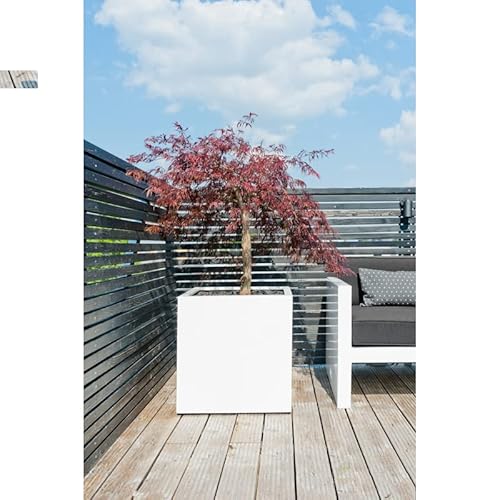
SIMPLE YET ELEGANT: Line your front walkway or patio space, entrance, interior or outdoor as well as garden, public space, or storefront display with a planter of immediate elegance. Create your own stylish greenery corner and add sleek and timeless look to your décor with this modern eye-catching square glossy white planter.
Anchoring Techniques for Large Plants

When securing large plants on balconies, heavy-duty anchor bolts or brackets provide essential stability. These fasteners attach large pots firmly to concrete or metal surfaces, preventing tipping during strong winds. Placing large pots strategically at balcony edges creates windbreaks that protect smaller plants behind them, improving overall stability. Using watertight, weighted bases—filled with sand or gravel—lowers the center of gravity, minimizing movement risk. Decorative rebar, driven securely into the balcony floor, serves as an effective anchoring point for taller plants, offering resistance against harsh weather conditions. Proper anchoring combines heavy-duty hardware with weighted bases to guarantee plants remain stable, even amid gusts. This technique safeguards both the plants and the balcony structure, enhancing long-term safety and plant health. Additionally, selecting UV-resistant materials for artificial hedges ensures durability when exposed to outdoor elements.
Recommended Products

Premium Solid Cedar Wood Frame: Crafted from high-quality cedar wood with rich grain patterns, this pergola features a natural finish and is treated with a weatherproof stain for long-lasting durability, ensuring protection through all seasons
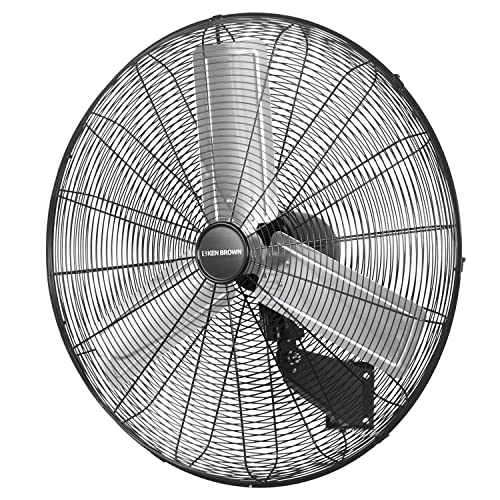
Built to Last. KEN BROWN is committed to quality, sourcing only the finest components. This heavy - duty industrial fan is built with a powder - coated steel structure. This not only boosts its durability and extends the service life but also safeguards against corrosive rust.

【Cooling UV Block】The sun shade sail uses 200GSM HDPE fabric to block harmful UV rays. This material reduces ambient temperatures by 10-15°F, creating cool and comfortable shade space for your patio, garden or large pool side.
Using Support Structures for Stability
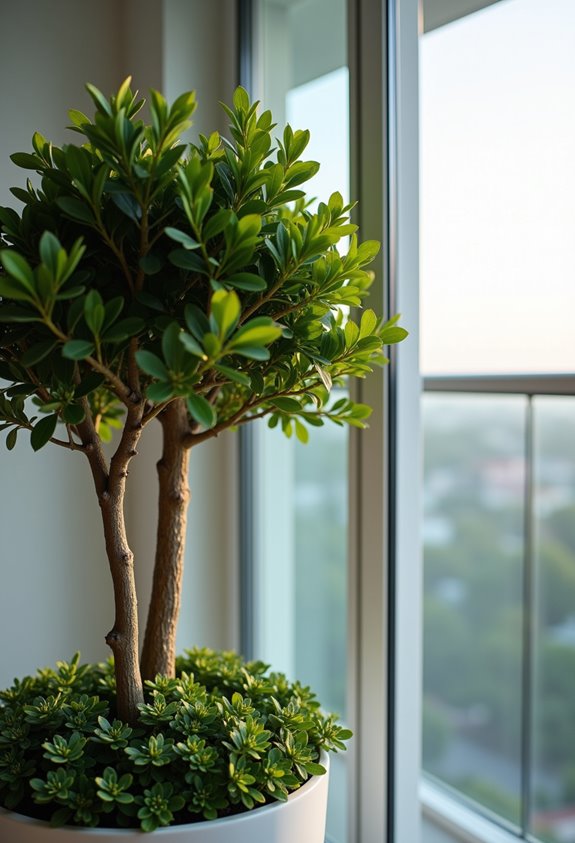
Employing sturdy support structures greatly enhances the stability of plants on balconies. Heavy-duty brackets and fasteners should be used to firmly attach pots and trees to balcony railings or walls, minimizing movement during high winds. Incorporating planter boxes reinforced with weights improves support for climbing plants and small trees by lowering the center of gravity. Concrete containers are effective for heavier plants, adding mass that resists tipping forces. Anchoring systems, such as ground-embedded stakes or screws, provide extra security for larger trees exposed to gusts. Wind barriers can supplement these measures by reducing direct airflow impact. Regular maintenance is essential; all connections and supports must be checked frequently for signs of wear, corrosion, or loosening, ensuring continued stability and preventing accidents caused by structural failure or displacement. Additionally, selecting artificial trees with weighted pots and sturdy bases can significantly improve stability against windy conditions on balconies.
Recommended Products

【𝗦𝗨𝗣𝗘𝗥 𝗛𝗘𝗔𝗩𝗬 𝗗𝗨𝗧𝗬 𝗡𝗘𝗪 𝗣𝗔𝗧𝗘𝗡𝗧 𝗗𝗘𝗦𝗜𝗚𝗡】: Made of 260 GSM permeable extra heavy duty fabric, heavy duty stainless mounting rings, cable wires built-in edges, integrate into the mounting rings, all pulling strength goes to the cable wires, not only making the edges more durable, it also enhence the appearance of shade sail.

Strengthen Waterproof: Patio shade sail has additional waterproof strips added at the joint of the fabric to enhance sealing. To maximize its water resistance the seams on the edges of the sail should be facing the ground

ARTISAN RAW COPPER CONSTRUCTION – Expertly handcrafted from 100% genuine copper, this 48-inch window box offers a timeless aesthetic that matures beautifully. Finished with a professional-grade clear lacquer, it maintains its brilliant warmth while resisting the natural weathering process.
Enhancing Plant Safety With Decorative Elements

Decorative elements can enhance both safety and aesthetics for balcony plants. Using heavy-duty florist wire secures decorations to pots and trees, ensuring durability against high winds. Large, shatter-proof ornaments provide visual appeal while minimizing breakage risks, essential for wind-tolerant plants in container gardening. Effective anchoring techniques, such as employing rebar or sturdy stakes, stabilize larger wooden decorations, improving overall stability. Thick florist wire is preferred over zip ties for attaching large wreaths, offering weather-resistant strength. Incorporating natural, heavy pot toppers or compact decorative greens adds weight, preventing pots from toppling. These methods combine functional reinforcement with tasteful design, ensuring safety without compromising visual appeal. Proper decorative element selection is integral to maintaining secure and stable planting arrangements on high-rise balconies exposed to harsh environmental conditions. Additionally, using UV-resistant materials in decorations enhances longevity and maintains aesthetic quality under constant sun exposure.
Routine Maintenance for Secure Arrangements
Although securing pots and trees initially is important, routine maintenance guarantees ongoing stability on balconies. Conduct regular inspections to detect wear or loosening of securing devices like straps or wires. Heavy-duty planters or added ballast improve weight, reducing container tipping risks in wind. Utilize anti-tip devices such as brackets or anchoring systems to affix pots firmly to the balcony structure. Check drainage holes regularly to avoid water buildup that increases tipping potential. Monitor soil moisture levels to prevent overwatering, which can lead to instability. After harsh weather conditions, inspect and reinforce securing methods to maintain stability. These routine tasks ensure plants remain safe and secure, preventing accidents and damage while optimizing longevity and beauty in high-rise environments. Additionally, choosing trees made from UV-resistant materials can help maintain their appearance and durability despite exposure to harsh outdoor conditions.
Tips for Weatherproofing Your Balcony Garden
Three critical factors improve weatherproofing for balcony gardens: material choice, structural stability, and moisture management. Heavy-duty materials such as rebar and thick florist wire provide a secure anchor to stabilize pots against strong winds. Choosing ceramic planters with low, wide profiles lowers the center of gravity, reducing tipping risks. Windbreaks, including decorative screens or tall, sturdy plants, shield delicate pots and trees from gusts. Self-watering pots enhance moisture management by maintaining consistent soil hydration despite windy conditions. Regularly inspecting securing mechanisms guarantees pots remain stable through seasonal weather shifts. Lightweight containers can be effectively stabilized when paired with proper anchoring techniques. Combining these elements supports robust weatherproofing, protecting high-rise balcony gardens from wind and moisture challenges while promoting plant health and safety. Additionally, selecting UV-resistant materials ensures your balcony plants and pots maintain their appearance and durability over time in harsh sun exposure.
Recommended Products
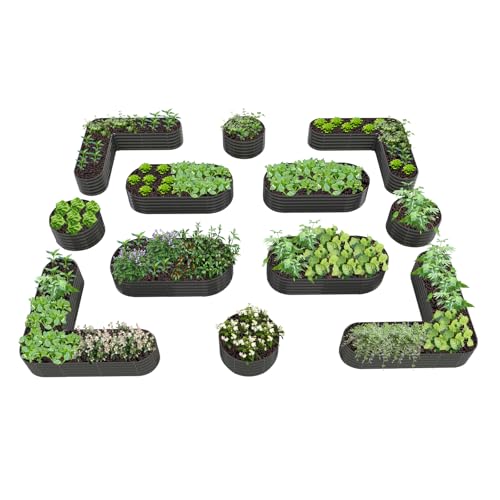
12-PIECE BACKYARD GARDEN SYSTEM – 4 oval, 4 heart, 4 round beds; all 18" deep in matching quartz grey; modular setup for fence lines, patio borders and focal points; one coordinated kit organizes your whole backyard farm garden; galvanized raised garden beds outdoor system for vegetables and flowers

GARDEN WATERFALL FOUNTAIN: This resin fountain features a continuous water flow and built-in golden LED lighting. Designed for outdoor use, it can be placed in gardens, patios, or balconies.

(Note: Our Black Aluminum Base Planter is sold separately) Built with advanced design techniques, this boxwood hedge panel is robust and does not require a frame, capable of standing independently and tolerating reasonable weight for added stability.
Frequently Asked Questions
How Do You Secure Plant Pots on a Balcony?
Balcony pot security involves choosing stable pot styles and weight limits, using anchor methods like steel brackets, ensuring wind resistance with material choices, applying stability solutions such as grouping and non-slip bases, and following safety measures alongside design considerations.
How to Keep Plants From Falling off the Balcony?
Balcony gardening requires wind resistance through strategic plant choices and weight distribution. Incorporating sturdy balcony railing anchors, considering balcony design, regular plant maintenance, and seasonal plants enhance outdoor safety and prevent falls in urban gardening environments.
What Should You Not Put on Your Balcony?
About 30% of balcony failures relate to excess weight, so residents must respect balcony weight limits and safety regulations. They should avoid heavy pots or unstable items, choose potent plant choices considering seasonal care, and address drainage for high-rise plant maintenance.
How to Secure Planter Baskets to Balcony Railings?
Planter baskets are secured to balcony railings using planter hooks, railing brackets, adjustable clamps, pot straps, and secured wires. Incorporating decorative cages, safety nets, and proper weight distribution enhances wind resistance and overall stability of balcony planters.


