As an Amazon Associate, we earn from qualifying purchases. Some links on this site are affiliate links at no extra cost to you. Our recommendations are based on thorough research and editorial judgment.


How Much Weight Can a Balcony Safely Hold for Potted Trees?

Balconies usually support between 50 and 100 pounds per square foot, including live loads like potted trees and soil. Saturated soil weighs up to 100 pounds per cubic foot, so planters and watering raise overall weight substantially. Lightweight pots and soil mixes reduce load by up to 45%, helping maintain safety. Properly distributing heavier planters near load-bearing walls minimizes structural stress. Signs of wear or old construction lower capacity, so it’s wise to verify limits before adding many trees. Further details can clarify ideal setups and precautions.
Key Takeaways
- Balconies typically support 50 to 100 pounds per square foot including soil, trees, and planter weight.
- Wet soil increases weight significantly, often weighing up to 100 pounds per cubic foot.
- Use lightweight pots and soil mixes to reduce overall load by up to 45%.
- Position heavier pots near load-bearing walls for better weight distribution and safety.
- Consult structural engineers or building documents for precise balcony load limits before adding heavy trees.
Understanding Balcony Load-Bearing Capacity

You may be interested


Although residential balconies vary in design, their typical load-bearing capacity ranges from 50 to 100 pounds per square foot. This rating includes the balcony structure’s own weight plus additional live loads, such as a balcony garden. Soil weight, especially when wet, can quickly add to the total load. Saturated soil often weighs between 75 and 100 pounds per cubic foot, making lightweight soil mixes a smarter choice for container planting. Proper weight distribution is crucial to maintain structural integrity; heavier planters should be positioned near load-bearing walls to reduce stress on the balcony framework. Understanding these weight limits helps prevent potential hazards and guarantees safety when creating green spaces on balconies. Consulting building documents or engineers is always recommended for precise load capacity information. Additionally, incorporating lightweight artificial plants can enhance balcony greenery without significantly increasing the load.
Factors That Influence Balcony Weight Limits

Several factors influence a balcony’s weight limits, including material choice, age, and environmental conditions. The load-bearing capacity typically ranges from 50 to 100 pounds per square foot, depending on the construction design. Older balconies may show signs of structural wear, reducing how much weight a balcony can safely hold. Moisture content also plays a role, as wet soil weighs up to 100 pounds per cubic foot, profoundly increasing heavy planters’ overall weight. Accumulated snow and rain add extra pounds per square foot, further affecting weight limits. To accurately determine how much weight a balcony can safely support, consult a structural engineer, especially when planning to place heavy potted trees. Recognizing signs of structural stress is vital before adding substantial loads to avoid damage or collapse. Additionally, selecting pot stability options with heavy, wide bases can help prevent trees from tipping and safely distribute weight on balconies.
Recommended Products

💎 Longer Lifespan: Made of 22-gauge 0.8mm thickness corrugated galvanized steel with multi-layer eco-friendly powder coatings. The heavy-duty planter box equipped with interior four stabilizing rods is strong enough to hold soil for decades.

100% Solid Select-Grade Teak Wood Crafted from premium sustainably sourced teak — never veneer or composite — delivering exceptional strength, density, and long-term outdoor durability.

Material: High-quality durable polypropylene fibres, PE material on the surface, environmentally friendly, plastic on the back, with drainage holes, water resistant with great drainage, no need to worry about stagnant water
Calculating the Total Weight of Potted Trees

Calculating the total weight of potted trees requires careful consideration of each component’s mass. The weight includes the planter, soil, water content, and the tree itself. Wet soil can weigh 75 to 100 pounds per cubic foot. For instance, an average 24-inch diameter pot with 24 inches depth holds about 8 cubic feet of soil, which may weigh up to 800 pounds when saturated. Adding the tree weight, typically between 15 to 50 pounds, plus the planter’s 25 to 30 pounds, results in a substantial load. Balconies have structural capacity limits— for example, 100 pounds per square foot— so calculating precise weights guarantees safety. Understanding total weight helps prevent exceeding a balcony’s load capacity and maintains structural integrity. This is essential for managing multiple potted trees within safe limits. Considering the use of lightweight artificial trees can significantly reduce the overall load on your balcony while still providing greenery and aesthetic appeal.
Recommended Products

Unlit tree - this tree comes unlit and ready to have your favorite lights added.

Prelit tree - This tree comes prelit with 2200 LED Italian Lights and ready to have your favorite decorations added. Complement your holiday decor with this long-lasting Christmas Tree.

Prelit tree - This tree comes prelit with 2200 LED Italian Lights and ready to have your favorite decorations added. Complement your holiday decor with this long-lasting Christmas Tree.
Lightweight Planters and Soil Solutions

When selecting planters for balconies, weight reduction is a primary concern to maintain structural safety without sacrificing style. Lightweight pots made from plastic or fiber-composite materials drastically reduce balcony weight compared to stone or ceramic options. Employing lightweight soil mixes, containing high-quality potting components like perlite and coco coir, lowers soil weight by up to 45%. Standard potting soil can weigh 75-100 pounds per cubic foot when saturated, stressing weight capacity limits. Medium planters with self-watering features often balance hydration and lightness. TerraCast planters simulate stone’s appearance but remain lightweight, aiding load-bearing walls or support. Choosing these options helps prevent overloading. Such strategies enable efficient, safe gardening while considering equal weight distribution—though that will be covered in the next section to maintain focus on lightweight materials here. Additionally, selecting slim-profile trees can further optimize space and weight management on balconies.
Recommended Products

FEEDS UP TO 6 MONTHS: Miracle-Gro Potting Mix is a gardening soil for outdoor containers that feeds all types of potted plants, including flowers, vegetables, shrubs, annuals, and perennials for up to 6 months

SUPERIOR FLEXIBLE SEALANT: Liquid Rubber's foundation sealer creates a permanent waterproof membrane for basement waterproofing, foundation leak repair, shower liners, and planter boxes. This professional-grade sealer delivers unmatched protection with 900% elongation, preventing leaks and water damage more effectively than traditional sealants

💎 Durable Construction: Made from 22-gauge 0.8mm thick galvanized steel with multi-layer eco-friendly powder coatings for long-lasting use.
Proper Weight Distribution on Balconies

Effective weight distribution on balconies involves placing heavier items strategically near load-bearing walls. Residential balconies are designed to hold about 50 to 100 pounds per square foot, depending on materials and construction. Distributing total weight evenly helps prevent stress concentrations that may cause damage. Using heavier planters near load-bearing supports reduces risk, while lighter pots with self-watering planters and lightweight soil mixes can occupy peripheral areas safely. Monitoring added weight from saturated soil is critical, as eight cubic feet of moist soil may weigh 600 to 800 pounds. Avoid exceeding recommended limits by spreading planters and furniture thoughtfully. Regularly checking for signs like cracks is important but falls under different safety discussions. Overall, careful weight placement guarantees structural stability and maximizes balcony use without compromising support. Choosing artificial trees with weighted pots for stability can further minimize risk while enhancing balcony aesthetics.
Recommended Products

MATERIAL & SAFETY:Rolling Raised garden bed of 0.6mm Zn-Mg-Al steel with 1.2mm folded edges and HDP non-toxic coating – 20+ year rust-proof durability. Rounded corners and protective rubber edging ensure safe handling with no sharp edges. Stronger than wood, perfect for organic gardening

[Gifted form Nature]: 2 raised bed packaged in two boxes. Crafted with fir wood and coated with safe paint, the raised garden bed with trellis is crack-resistant, not easy to deform and waterproof, thus ensuring excellent durability. Besides, the thick wood frame and reinforced metal connection guarantee large load bearing of 66 lbs.

3-Tier Design with Anti-Fall Guardrails - Maximize Plant Safety: Our premium aluminum plant stand features sturdy side guardrails on each tier that prevent flower pots from slipping or falling off—even during moving or windy days. The 3-tier stepped structure holds various sizes of plants/pots (small succulents to large potted flowers) and ensures each plant gets ample sunlight/airflow, perfect for a lush, organized green display.
Recognizing and Addressing Structural Warning Signs
Although balconies are engineered to support substantial weight, periodic inspections for structural warning signs remain essential. Signs of structural stress include visible cracks in concrete and a spongy feel underfoot, indicating possible overloaded balcony conditions. Water pooling near joints or rust on metal supports suggests moisture intrusion that could weaken structural elements permanently. Balconys load should carefully consider weight limits: soil and soil volume in planters, which typically range around 75-110 pounds per cubic foot. Live load must never exceed the balcony’s rated capacity, especially when planters near load-bearing walls add permanent weight. Detecting tilting or gaps at attachment points signals serious integrity issues requiring immediate evaluation. Regularly monitoring these indicators helps prevent structural failure by maintaining load balance within specified safety margins. Selecting hedge trees made from UV-resistant polyethylene can minimize additional weight while enhancing durability on balconies.
Recommended Products

MATERIALS: Made of high quality synthetic material,superior resilience and durability,Constructed of the highest quality polyethylene and poly polypropylene yarns,70 oz total weight per square yard to ensure an extremely high-density artificial grass.
Material: High-quality durable polypropylene fibres, PE material on the surface, environmentally friendly, plastic on the back, with drainage holes, water resistant with great drainage, no need to worry about stagnant water
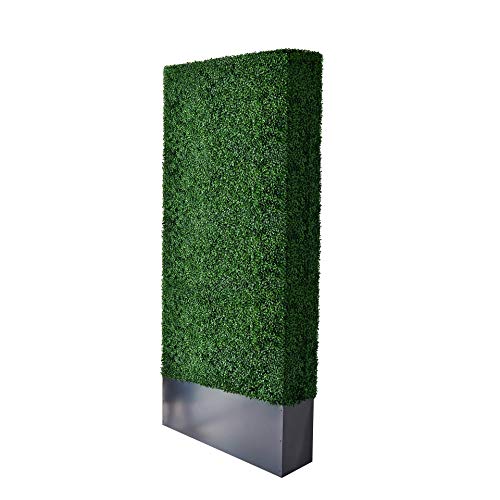
Dimensions: 48" Width x 12" Deep 96" Height ) Easy assembly as well as convenient assembly and disassembly. have installation instruction in the package
Frequently Asked Questions
What Is the Weight Limit on a Balcony?
The weight limit on a balcony depends on material durability, structural support, and local codes. Balcony safety requires proper load capacity, weight distribution, design considerations, tree size, and potted plant placement to prevent overloading and guarantee stability.
Is There a Weight Limit on Balconies?
Like a knight guarding his castle, a balcony structure enforces strict safety standards. Proper weight distribution, garden planning considering potted plant size, tree species, and balcony materials guarantee urban gardening preserving structural integrity amidst varying demands.
What Is the Deflection Limit for Balcony?
The deflection limit for balconies follows deflection criteria set by engineering standards, typically L/360, balancing material properties, load distribution, and safety margins to maintain structural integrity, ensuring balcony design meets building codes through precise weight calculations.
Can You Put Raised Beds on a Balcony?
Balcony gardening transforms concrete into a lush tapestry; raised beds thrive via careful plant selection, soil types, drainage solutions, container sizes, and sunlight exposure. Vertical gardening and maintenance tips enhance outdoor aesthetics while safeguarding structural integrity.


