As an Amazon Associate, we earn from qualifying purchases. Some links on this site are affiliate links at no extra cost to you. Our recommendations are based on thorough research and editorial judgment.


Indoor‑Outdoor Trees: Moving the Same Tree Between Balcony and Living Room

Indoor-outdoor trees require gradual acclimatization when moving between balcony and living room. Timing is critical; relocate when nighttime temperatures drop below 50°F to avoid cold stress. Use heavy-duty plastic pots with drainage holes to prevent waterlogging and guarantee root stability. Provide bright, indirect light near east-facing windows and maintain humidity near 40-60% with misting or trays. Inspect and treat for pests like mealybugs prior to moving. Consistent care adjustments support healthy changes. Further guidance covers seasonal care and pest prevention.
Key Takeaways
- Move trees indoors when nighttime temperatures drop below 50-55°F to prevent cold damage.
- Gradually acclimate trees to indoor light by placing them near east or north-facing windows.
- Inspect and treat trees for pests like mealybugs and spider mites before moving them between environments.
- Maintain indoor humidity at 40-60% using misting or humidity trays to support tree health.
- Use containers with drainage holes to prevent waterlogging and ensure stable root growth during transitions.
Preparing Trees for Transition

You may be interested


How should trees be prepared before moving indoors for the season? Begin by trimming dead or leggy growth to encourage healthier foliage during indoor months. Plants benefit from thorough cleaning; rinse leaves gently to remove dust and potential pests like mealybugs and spider mites. Proper plant care includes inspecting both soil and leaves carefully to prevent infestations inside. Repot trees as needed, using fresh potting mix rich in nutrients, and select a container that suits root growth. Adequate watering before relocation guarantees roots stay moist but not waterlogged. Once indoors, place trees near bright light sources such as south-facing windows to maintain photosynthesis. This preparation helps plants adjust smoothly and remain vigorous throughout the indoor period. Choosing artificial trees with UV-resistant materials ensures they maintain their appearance even when moved between indoor and outdoor environments.
Recommended Products

FEEDS UP TO 6 MONTHS: Miracle-Gro Potting Mix is a gardening soil for outdoor containers that feeds all types of potted plants, including flowers, vegetables, shrubs, annuals, and perennials for up to 6 months

Ready-to-Use for All Planting Needs: This general-purpose potting mix is ready to use out of the bag, making it perfect for both indoor and outdoor planting without any additional preparation

FOR IN-GROUND USE: Use this all-purpose garden soil for vegetables and flowers to amend garden beds or for planting individual plants including herbs, annuals, perennials, trees, and shrubs
Optimal Timing for Moving Trees Indoors

Proper timing for moving trees indoors greatly impacts their survival and health during colder months. The best timing is when nighttime temperatures consistently fall below 50 to 55 degrees Fahrenheit, protecting tender trees from cold stress or freezing damage. Gardeners must monitor local weather forecasts closely, anticipating sudden cold snaps to transfer plants indoors promptly. Before moving indoor plants, make sure they are pest-free and trim any unhealthy growth to reduce indoor pest or disease risks. Prioritize relocating trees prone to freezing that also adapt well to indoor conditions, such as certain citrus varieties. This careful timing approach minimizes shock and promotes plant vigor during winter. Adequate preparation and attentive timing together support a successful indoor transfer and preserve tree health throughout colder seasons. Additionally, considering the use of compact hybrid willows as part of your indoor-outdoor tree strategy can offer a quick, low-maintenance privacy solution ideal for balconies or patios.
Recommended Products
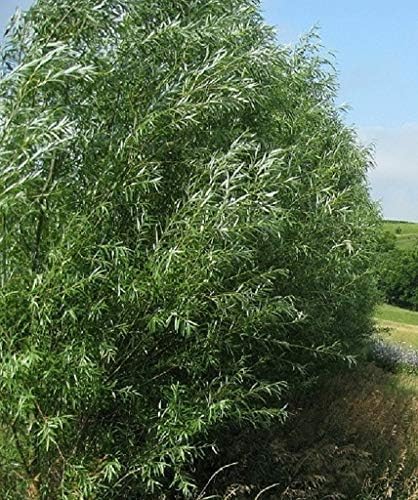
BIGGEST STARTS AVAILABLE: Large and Thick Cuttings that are 5 feet tall.

Cypress & Alabaster was founded on the belief that creating a welcoming, healthy environment shouldn't harm our planet. Creating the first US-based, hand-crafted artificial trees made with real moss accents and locally-sourced, ethically-harvested real wood trunks, we replace fake plastic trunks that contribute to landfills. And we bring a more authentic, natural beauty to your home or office spaces while reforesting the US National forest by planting a real tree for each one you buy!

HOME DÉCOR ACCENT: Captivate guests and visitors with this artificial willow tree boasting a breathtaking canopy of delicate branches, each flaunting a collection of realistic leaves in bright green hues. crafted from the highest-quality materials, the leaves feel real to touch and are the most lifelike out there. Standing atop a textured trunk, this 6’ tall tree would instantly transform a space without the need of periodical upkeep.
Managing Light and Humidity Indoors

Many indoor trees thrive under bright, indirect sunlight, which often contrasts sharply with outdoor direct light exposure. Gradual acclimation helps prevent leaf burn when moving trees inside, especially from afternoon sun. Ideal placement near east or north-facing windows typically provides the right light intensity. Indoor humidity often falls below preferred levels, so daily misting or using a humidity tray can maintain adequate moisture. Maintaining consistent humidity around 40-60% supports healthy foliage and reduces stress on the plant. Proper drainage holes in pots are essential to avoid waterlogging, allowing excess water to escape and preventing root rot. Potting mixes designed for containers promote aeration and moisture balance. Adjusting watering frequency indoors, often reducing it, corresponds to decreased light and metabolism during cooler months. Positioning plants near east- or north-facing windows helps maintain optimal indirect lighting conditions for indoor trees.
Recommended Products

【Detachable Footrest for Ultimate Relaxation】Skip the hassle of finding trees—this hammock chair features a removable footrest for easy transition from upright sitting to a relaxed recline. Elevating your legs helps reduce spinal pressure by up to 30% and ease joint fatigue. Perfect for the beach or campsite, it delivers full-body relaxation. The footrest rolls up neatly into the storage pouch when not in use.

Tool-Free 1-Minute Assembly: No screws, no welding. Innovative interlocking design snaps together securely in as little as 1 minute, saving time and energy for immediate use
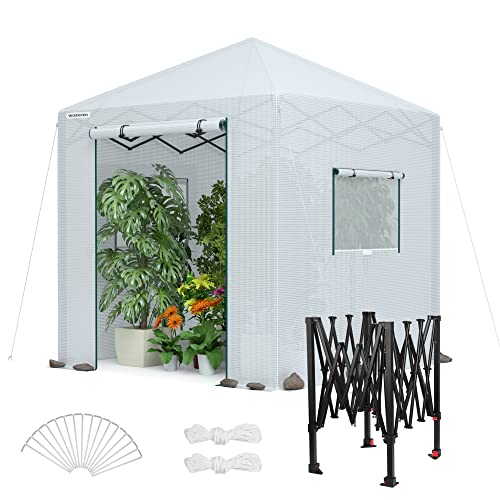
Easy to Set Up & Storage: The heavy duty greenhouse features a one-piece pop-up frame, which allows you to set it up quickly without any tools. An extra storage bag for convenient carrying and storage
Protecting Trees From Pests and Disease

Indoor trees often face increased risk of pests and diseases once relocated from outdoor environments. Before bringing trees indoors, inspecting leaves and soil for common pests like mealybugs, thrips, and spider mites is crucial. Treat identified pests with insecticidal soap or neem oil at least two weeks before moving the tree inside to guarantee effective control. Using clean potting mix and containers designed for indoor plants helps minimize pest introduction and improves drainage, reducing root rot risks. Monitoring for fungal issues, such as powdery mildew, is essential, especially during winter’s higher indoor humidity. Regular inspections and maintaining proper air circulation indoors prevents pest buildup and disease spread. Consistent vigilance guarantees healthy shift between outdoor and indoor conditions without compromising tree health. Additionally, selecting low-maintenance artificial trees can be an effective alternative to reduce pest and disease concerns indoors.
Recommended Products
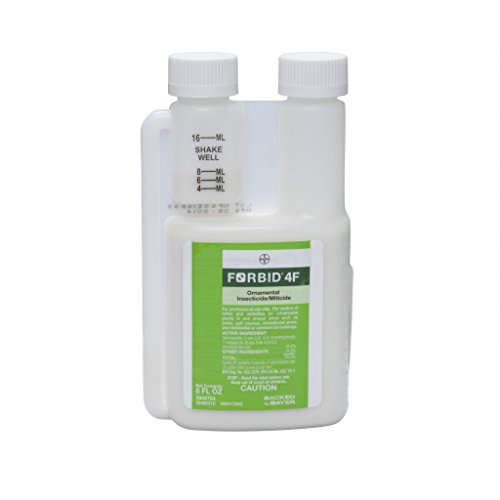
Description: Forbid 4F offers outstanding knockdown and residual control of mites and all stages of whiteflies for four to eight weeks.

Avid , the number one insecticide for mites and leaf miners, has expanded its labeling to include suppression of aphids, trips, and whiteflies

Selecting Appropriate Containers and Placement

Choosing the right container is an essential first step for indoor-outdoor trees. Containers must be large enough to support root growth and guarantee stability during relocation between balcony and living room. Heavy-duty plastic pots with drainage holes are excellent candidates, as they retain moisture well while preventing waterlogging. Synthetic materials balance durability with manageable weight, easing indoor movement. Trees initially sold in 1 to 5-gallon sizes may need larger containers if they grow or require extra support. Placement indoors should prioritize areas receiving bright sunlight, ideally near windows providing indirect rays to mimic outdoor conditions. Proper container and placement choices contribute markedly to tree health, making the shift smooth and reducing transplant stress. Selecting appropriate containers with these factors in mind prepares indoor-outdoor trees for successful growth year-round. Opting for UV-resistant materials in containers and pots helps ensure they withstand outdoor exposure and maintain longevity.
Recommended Products

HANDCRAFTED EXCELLENCE – Each Cosapots planter is meticulously handmade with high-quality fiberglass and resin by skilled artisans under the guidance of Belgian architects.

Made with top-quality resins and�premium fiberglass
Seasonal Care and Maintenance Adjustments
Effective seasonal care involves modifying watering schedules and humidity control when changing tree locations between indoor and outdoor environments. During winter, indoor trees require less frequent watering but increased humidity, as heating systems often dry out the air considerably. Before bringing trees indoors, make certain to cut back unhealthy growth and inspect for pests to prevent infestations. Gradual acclimation over two weeks in a shaded area reduces shock from sudden light changes. During the growing season, adjust fertilization based on whether the tree is inside or outside, supporting ideal growth. Light needs also vary; indoor spots should provide bright, indirect sunlight to replace the full sun outdoors. Consistent monitoring and timely maintenance guarantee trees remain healthy throughout seasonal changes. Choosing artificial plants made from UV-protected materials helps maintain consistent quality and reduces care when moving plants between indoor and outdoor settings.
Frequently Asked Questions
Do Trees Move From One Place to Another?
Tree mobility allows plants to be relocated for seasonal adaptation, enhancing growth and health. Proper care tips include gradual acclimatization, monitoring stress, and ensuring suitable light and humidity to support the tree’s successful movement between environments.
Which Tree Should Not Be Planted Close to a House?
Trees with aggressive tree roots, like Oaks, and large shade trees, such as Sycamores, should not be planted close to a house due to potential property damage, including foundation harm and excessive shading that affects surrounding plant growth.
What Are Intertwined Trees Called?
Intertwined trees are called grafted or entwined trees, created through tree intertwining techniques. Benefits of intertwined trees include enhanced fruit quality and unique aesthetics. Species of intertwined trees often combine traits from distinct parent trees for improved growth.
What Happens if You Put an Indoor Tree Outside?
If indoor trees are placed outside without tree acclimatization, they may suffer leaf burn, stress, or stunted growth from sudden exposure to harsher outdoor conditions such as intense sunlight and wind, potentially leading to leaf drop.


