As an Amazon Associate, we earn from qualifying purchases. Some links on this site are affiliate links at no extra cost to you. Our recommendations are based on thorough research and editorial judgment.


How to Transport Potted Trees When Moving to a New Rental

Potted trees should be pruned and watered 2-3 days before moving to guarantee hydration. Use lightweight plastic pots with drainage holes to prevent root rot and wrap pots in bubble wrap for cushioning. Cover foliage with breathable paper to reduce stress, and secure larger trees with soft ties and stakes. Transport in a vehicle at 65–75°F, avoiding enclosed spaces like trunks, while stabilizing pots to prevent movement. Following these steps helps maintain plant health during relocation, with further tips on care and setup ahead.
Key Takeaways
- Prune dead branches and water trees 2-3 days before moving to ensure hydration and reduce stress during transit.
- Use lightweight plastic pots with drainage holes, wrap pots in bubble wrap, and label containers as “FRAGILE” and “LIVE PLANTS.”
- Stabilize larger trees with stakes and soft ties inside boxes or vehicle to prevent movement and damage.
- Transport plants horizontally in the vehicle, secure with straps, maintain 65–75°F, and keep windows slightly open for ventilation.
- Unpack immediately at the new location, place trees in shade for acclimation, and check soil moisture for proper watering.
Preparing Your Potted Trees for the Move
You may be interested


Before moving day, it is essential to prepare potted trees properly to minimize stress during transportation. Prune dead leaves and branches at least one week prior to encourage healthy growth and reduce damage risk. Water trees thoroughly 2-3 days before the move to guarantee hydration without causing soil oversaturation. Fragile or oversized trees should be repotted into lightweight plastic containers with proper drainage to prevent root rot during transport. Carefully inspect each tree for pests or diseases well in advance, treating infestations to avoid spreading problems. Label boxes containing potted trees as “FRAGILE” and “LIVE PLANTS” to alert movers for careful handling. These precautions collectively help maintain tree health and stability throughout the relocation process. Additionally, considering the durability and weather resistance of the tree materials can help in choosing the best options for transport and subsequent placement.
Selecting Appropriate Containers and Supports

Proper container and support selection directly impacts the survival of potted trees during transport. Plants should be placed in lightweight plastic pots featuring drainage holes to facilitate careful handling and reduce breakage risk. Appropriate containers must fit each plant comfortably, allowing soil stability without overcrowding. For smaller trees, sturdy cardboard boxes with ventilation holes help prevent soil spillage while ensuring airflow. Larger trees require additional support through stakes and soft ties, which protect branches from bending or breaking when moved. Surrounding pots with packing materials like bubble wrap or foam padding is essential for minimizing movement and damage during transit. Overall, the combination of suitable pots, supportive stakes, and protective packing materials enhances the security and health of potted trees throughout their relocation process. Using supports such as foldable metal stands can also improve tree stability during transport and setup after moving.
Recommended Products

ULTIMATE SOLUTION FOR INDOOR AND OUTDOOR GARDENING. Autopot XL System is an advanced watering system designed to help indoor and outdoor gardening enthusiasts easily grow plants

REALISTIC NATURAL APPEARANCE: Our grass is meticulously crafted with each blade having slight variations in color, dimension, and texture, giving it an incredibly realistic and natural appearance. Your lawn will be the envy of the neighborhood, creating a picturesque landscape that stands out from the rest.
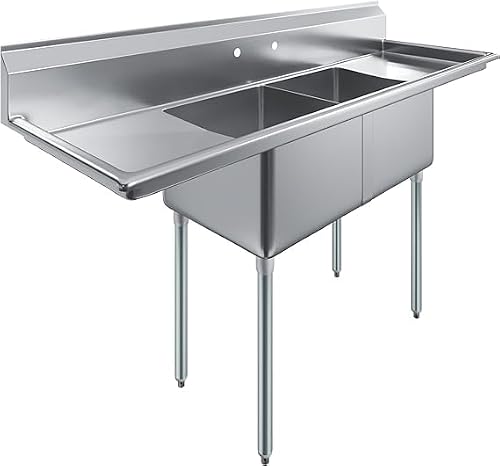
🧼 Two Spacious Sink Compartments – Ideal for washing and rinsing dishes, utensils, and cookware
Packing Techniques for Potted Trees

Effective packing techniques are essential to secure potted trees during relocation. Use lightweight plastic pots with drainage to prevent root rot and allow air circulation. Wrap pots carefully in bubble wrap to cushion impacts in the moving truck, and cover foliage with breathable paper to reduce stress and damage. Larger trees require staking with soft ties to guarantee stability while in transit. Inside the truck, place trees horizontally, stabilizing them with bricks or firm packing materials to avoid tipping. Clearly label each container with “FRAGILE” and “LIVE PLANTS” to promote careful handling. These packing techniques balance protection and plant health, minimizing movement-related injury and moisture issues. Properly securing potted trees guarantees a smooth shift when moving to a new rental property. Additionally, choosing pots with weighted bases can further improve stability during transportation.
Recommended Products
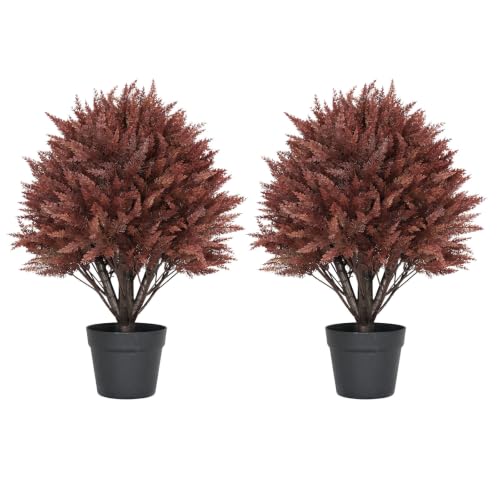
【Realistic Cedar Topiary Look with No Maintenance】Create a welcoming seasonal display with these 24-inch artificial cedar topiary trees featuring dense layered foliage, realistic fall colors, and a professionally trimmed shape. Enjoy a polished landscape look without watering, trimming, or regular upkeep.

QUALITY : Jollybower bamboo garden stakes are make of highly renewable and natural bamboo, premium bamboo will last a long time in your garden. Our bamboo poles 8ft are sustainably grown in Southeast Asia, where they are hand cut and hand selected for only the premium bamboo. Bamboo stakes are safe to use and Eco-friendly, will not hurt your plants & family.

Large bubble rolls are perfect for packing larger and heavier items such as a TV, parts, electronics, glassware, chinaware, antiques, home decorations and much more.
Transporting Trees Safely in Your Vehicle

Once potted trees are packed securely, attention shifts to their safe transport within a vehicle. Lay potted plants horizontally and cover them with a tarp to shield against shifting and weather on moving day. Use bricks or heavy objects to stabilize and prevent rolling or tipping during transit. Secure trees with straps or bungee cords, ensuring they remain fixed during sudden stops or sharp turns. Proper ventilation is essential; slightly open windows to allow air circulation and minimize temperature changes that could stress the plants. Maintain vehicle temperature ideally between 65–75°F to protect the roots and foliage. Additionally, provide some light exposure during transport to support photosynthesis and reduce shock. Choosing trees made from UV-resistant materials ensures durability for outdoor use and can be beneficial during moves. These steps create a controlled environment that safeguards potted plants while transporting them safely to the new location.
Recommended Products

WALK-IN GREENHOUSE: 6' x 8' x 6' walk-in backyard or garden greenhouse extends your growing season and grows plants faster by retaining heat and slowing evaporation, and can be used indoors or outdoors
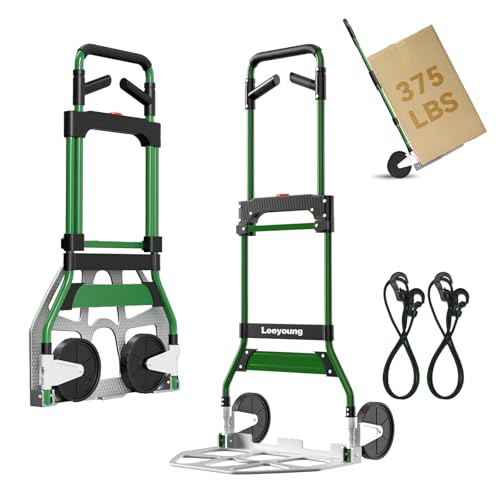
1. Heavy Duty 375lb Capacity Hand Truck Dolly: This heavy-duty dolly cart is designed to handle even the largest loads with ease. Ideal for moving furniture, appliances, boxes, or garden tools. Whether you're a home mover, warehouse worker, or DIY enthusiast, this folding hand truck ensures you can move heavy items effortlessly while maintaining full stability and control.

1. CHOOSE FROM 1/8, 3/16, 1/4, 5/16 or 3/8” diameters in either 50 or 100 foot lengths
Managing Temperature and Moisture During Transit

How can temperature and moisture be controlled to safeguard potted trees during transit? Managing temperature between 65–75°F is essential to prevent stress from heat or cold. Avoid leaving potted trees in enclosed spaces like trunks where temperature fluctuates rapidly. Hydration begins by watering 1–2 days before moving, keeping soil moist but not soggy to avoid leaks. During transit, wrap foliage with breathable materials such as burlap or paper, which shield against temperature swings while allowing airflow. Maintaining humidity levels is significant; misting with a spray bottle during long drives can help without oversaturating the soil. These techniques guarantee potted trees retain ideal hydration and stable moisture, reducing shock during moving and promoting healthier transport conditions. Choosing potted trees made from UV-resistant materials can further protect them from environmental stress during relocation.
Recommended Products

LARGE 40 INCH WIDE BY 300 FT LONG ROLL - Can be used for many applications such as in home decor/craft projects/weddings, horticulture - protect plants during winter months and landscaping. Let your creativity run wild!!

LARGE 72 INCH WIDE BY 300 FT LONG ROLL - Can be used for many applications such as in home decor/craft projects/weddings, horticulture - protect plants during winter months and landscaping. Let your creativity run wild!!

PACK OF 500 Burlap Bags: These large burlap bags are great for planting & gardening as well as storing metal parts & hardware and much more! Each bag has a 50-pound weight capacity for long-term storage.
Settling Your Trees Into the New Location
Unpacking potted trees immediately upon arrival reduces stress and allows for prompt inspection. After unpacking, thoroughly inspect the foliage and soil for damage or pests. To help trees acclimate, introduce them gradually by placing them in shaded areas for 3-5 days, avoiding direct sunlight. Check moisture levels of the soil carefully; water moderately if dry, ensuring the soil is damp but not waterlogged. Within 7 to 14 days, repot trees into containers at least 2 inches larger in diameter or plant them in appropriate locations using well-draining potting mix with organic matter. Continue to monitor for stress signs such as wilting or yellowing. Adjust watering, light exposure, and humidity as needed to support healthy recovery and establishment in the new rental environment. Choosing compact tree varieties can also help ensure your trees flourish in limited indoor spaces like apartments.
Recommended Products

FEEDS UP TO 6 MONTHS: Miracle-Gro Potting Mix is a gardening soil for outdoor containers that feeds all types of potted plants, including flowers, vegetables, shrubs, annuals, and perennials for up to 6 months
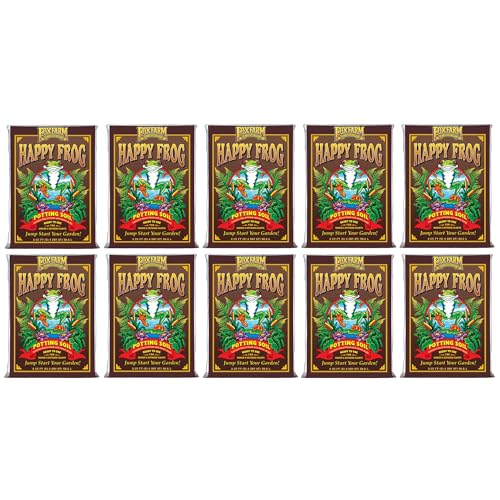
You will receive (10) 2-cubic foot bags of potting soil per purchase.
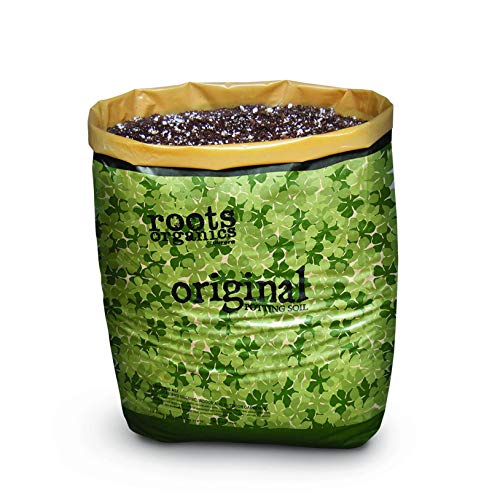
10 GALLON POTTING SOIL: 10 pack of 10 gallon (1.5 cu Ft) of Roots Organics Coco-Fiber Original Potting Soil for your hungry plants
Frequently Asked Questions
How to Transport a Potted Tree?
Tree transportation tips include choosing suitable containers, protecting the root system, securely fastening branches, implementing climate control measures, avoiding transplant shock, and checking local regulations to guarantee safe and compliant movement of potted trees during relocation.
How to Transport Potted Plants When Moving?
Transporting potted plants requires careful pot selection and soil considerations to protect roots. Ideal transport methods and climate factors guarantee plant care, while plant insurance may cover damages, safeguarding delicate greenery during relocation.
How to Move a Heavy Potted Tree?
Moving a heavy potted tree begins with mastering heavy lifting techniques and using tree moving equipment. Soil preparation tips and pot stabilization methods protect roots. Transportation safety measures guarantee survival, while post move care secures long-term health and growth.
Do Movers Move Potted Plants?
Movers often restrict transporting potted plants due to transport safety and plant health concerns. Adhering to moving guidelines and logistics planning, individuals are advised to personally manage potted plant care during relocation, ensuring ideal plant protection and successful relocation tips.


