As an Amazon Associate, we earn from qualifying purchases. Some links on this site are affiliate links at no extra cost to you. Our recommendations are based on thorough research and editorial judgment.


How to Revive a Drooping Indoor Tree After Underwatering

A drooping indoor tree suffering underwatering should be soaked in water for 30 minutes to fully rehydrate the root zone. After soaking, verify the soil drains well to prevent root rot, then monitor moisture levels closely, allowing the top inch of soil to dry before watering again. Incorporate organic matter into the soil for better water retention, prune damaged foliage, and provide adequate light. Maintaining these practices supports recovery and further strategies can enhance long-term tree health.
Key Takeaways
- Soak the entire pot in water for 30 minutes to ensure deep soil rehydration.
- Allow drainage thoroughly after soaking to avoid root rot.
- Trim any wilted or damaged leaves to encourage new growth.
- Keep soil moist by watering when the top inch feels dry.
- Maintain humidity with occasional misting to support recovery.
Recognizing the Signs of Underwatering in Indoor Trees
You may be interested


Several key indicators reveal underwatering in indoor trees and should be monitored closely. Droopy leaves and wilted leaves are primary signs of underwatering, often feeling dry and brittle due to water deficiency. The soil may dry out excessively, pulling away from pot edges, compacting into a hard, brick-like texture that impairs healthy roots. This drying compromises the root system, limiting water absorption and threatening overall plant health. Leaf curling, brown edges, and stunted growth also signal insufficient moisture. Persistent underwatering reduces leaf size or causes leaf loss as the tree conserves energy. Early recognition of these signs of underwatering allows timely intervention before damage to the root system becomes irreversible. Monitoring these symptoms helps maintain peak plant health and prevents further decline in indoor trees. Using plants with low maintenance needs can reduce the risk of underwatering by simplifying watering schedules.
Immediate Steps to Rehydrate a Drooping Tree
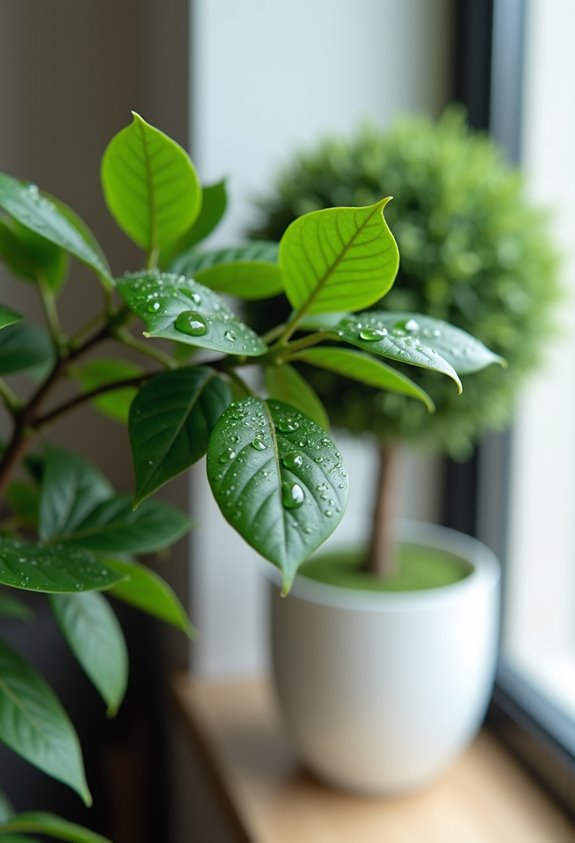
Addressing underwatering symptoms promptly improves the chances of full recovery for indoor trees. To initiate the recovery process, soak the entire pot in water for 30 minutes, allowing dry soil to absorb moisture completely. After soaking, let the plant drain thoroughly to avoid waterlogging, which may cause root rot. It is essential to monitor soil moisture regularly, ensuring the top inch of soil dries before watering again. Trimming damaging leaves or branches encourages new growth and helps the tree focus energy on healthy areas. Additionally, maintaining a humid environment through occasional misting supports hydration and cellular repair during recovery. These immediate steps collectively stabilize the plant’s condition, creating favorable circumstances for gradual restoration without risking further stress or damage. Proper care and maintenance ensure the durability and health of indoor plants over time.
Recommended Products
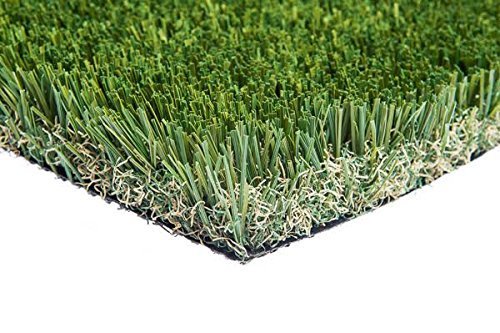
REALISTIC NATURAL APPEARANCE: Our grass is meticulously crafted with each blade having slight variations in color, dimension, and texture, giving it an incredibly realistic and natural appearance. Your lawn will be the envy of the neighborhood, creating a picturesque landscape that stands out from the rest.
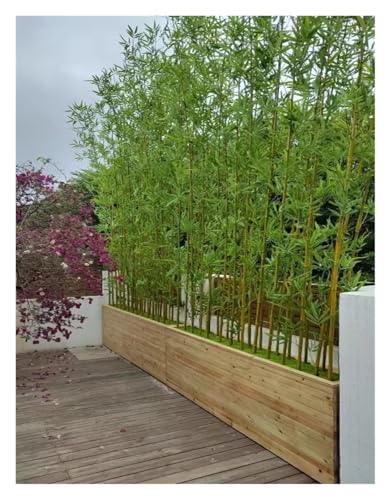
- Realistic Appearance ---> Carefully designed to mimic the look of a real tree,as close to the real thing as possible, perfect for any room or office, this Green plants will make you feel the presence of nature and will green all seasons

【Enjoy Nature】Inspired by the romantic charm of European courtyards, this FSSLOWER bougainvillea tree adds color and elegance wherever displayed. The lifelike leaves and bright floral accents spiral up a natural-looking trunk for a sophisticated yet effortless style
Best Practices for Watering After Underwatering
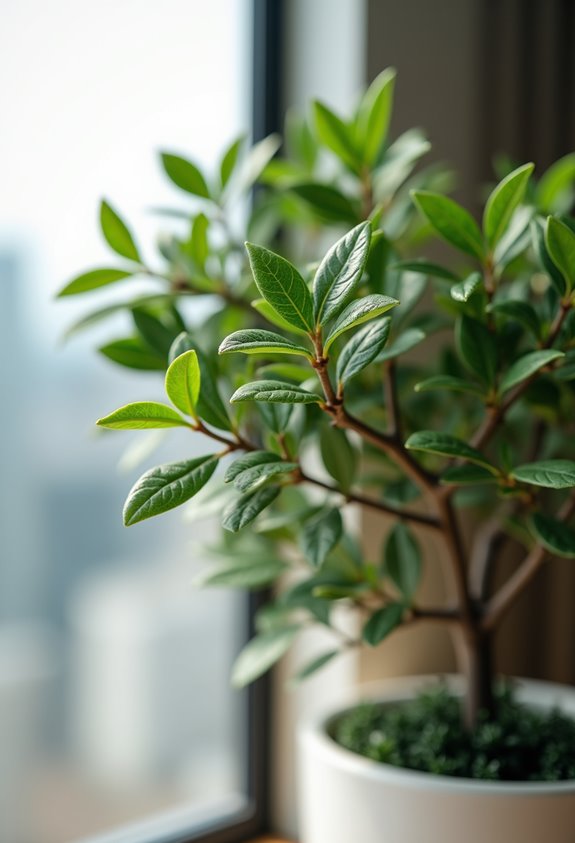
Effective watering strategies after underwatering play an essential role in restoring indoor tree health. To rehydrate, soak the entire pot in water for 15 to 30 minutes to guarantee roots absorb sufficient moisture. Using bottom watering, place the pot in a tray filled with water, allowing soil to take up moisture evenly through drainage holes. It is important to monitor the soil moisture closely, letting the top inch dry out before watering again to prevent overwatering or underwatering. After the tree rehydrates, trim any damaged or wilted leaves to promote energy-efficient growth. Adjust your watering frequency seasonally, increasing it during warmer months when plants actively grow. These practices help maintain healthy plants by supporting consistent hydration and ideal root function. Incorporating a compact artificial tree nearby can enhance indoor aesthetics without adding maintenance, given their low-maintenance nature.
Recommended Products
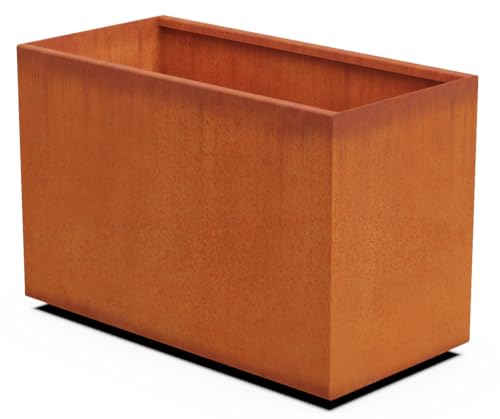
CREATE ELEGANT PRIVACY & DEFINED SPACES – At a substantial 24-inch height, this metal planter rectangle is perfectly scaled to create sophisticated low privacy screens for patios and decks. Use these large outdoor planters to frame entryways, define seating areas, or add architectural structure to your garden landscape.
![Organic Plant Magic - Truly Organic™ Fast-Acting Soluble Plant Food: All-Purpose Fertilizer Concentrate for All Flower Vegetable Herb Fruit Tree Shrub Container Garden & House Plants [20 lb Bucket]](https://m.media-amazon.com/images/I/41PAuP3XFuL._SL500_.jpg)
New Label - Same Amazing Product that Plants & Customers LOVE!

For Plants and Trees that with root balls about 12” in dia., (11-15”, e.g. 3-10 Gallon Container Sizes have top diameters between 11-15”) - Uses 99% LESS WATER than traditional tree bag over the course of multiple seasons for better establishment of the newly planted trees and shrubs! When the plant root ball is larger than 15”, the 36”, 48”, or multiple units of these larger sized SteadySpring Tree Mats are recommended to cover an area double of the root ball size or at least 20” larger than the root ball.
How to Improve Soil Moisture Retention
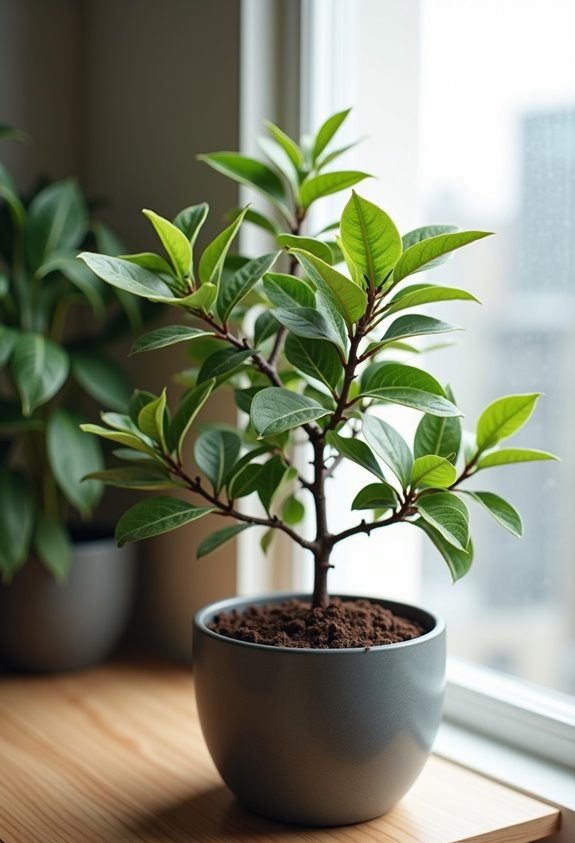
Three main components dramatically improve soil moisture retention for indoor trees: organic matter, soil additives, and surface mulch. Organic matter such as compost or peat moss increases water-holding capacity while supplying nutrients essential for healthy root development. Soil additives like vermiculite or perlite enhance drainage and aeration, preventing waterlogging and enabling roots to access oxygen and moisture effectively. Applying a mulch layer on top of the potting mix reduces evaporation, maintaining consistent moisture levels within the soil. Selecting a potting mix designed for moisture retention, often containing water-retaining polymers or coir, helps keep soil hydrated longer between waterings. Regularly monitoring soil moisture with a moisture meter or finger test guarantees water levels support healthy roots without causing oversaturation, balancing drainage and moisture for maximum tree recovery after underwatering. Additionally, using pots with stability and proper drainage ensures that water is retained appropriately without compromising root health.
Recommended Products

FEEDS UP TO 6 MONTHS: Miracle-Gro Potting Mix is a gardening soil for outdoor containers that feeds all types of potted plants, including flowers, vegetables, shrubs, annuals, and perennials for up to 6 months

Versatile Potting Soil: Let your plants grow healthy and strong with this general-purpose potting soil featuring a blended formula that works for all kinds of greens you plant in it

Ready-to-Use for All Planting Needs: This general-purpose potting mix is ready to use out of the bag, making it perfect for both indoor and outdoor planting without any additional preparation
Providing Proper Light Conditions for Recovery
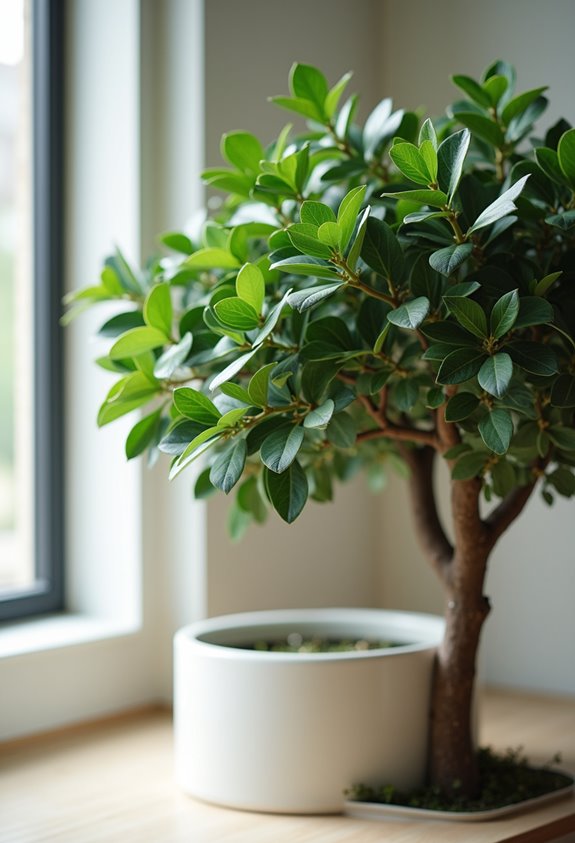
How much light does an indoor tree need to recover after drooping? Typically, indoor trees require bright, indirect light for 12 to 16 hours daily during recovery to encourage strong, healthy growth. Placing the tree near a window filtered by sheer curtains guarantees ample natural light without risking direct sunburn. Rotating the tree regularly promotes balanced growth by evenly distributing light exposure, preventing it from leaning toward one side. When natural light is insufficient, grow lights provide a practical alternative. These lights emit a full spectrum designed to support photosynthesis and recovery effectively, mimicking sunlight duration and intensity. Maintaining these proper light conditions not only aids immediate recovery but also boosts long-term resilience, helping indoor trees regain vigor after underwatering stress. Additionally, incorporating low-maintenance artificial trees can complement natural greenery in indoor spaces that face light limitations.
Pruning Damaged Leaves and Stems
Pruning damaged leaves and stems promotes healthier growth and prevents disease spread. Using clean, sharp pruning shears is essential to avoid introducing pathogens. Trim brown or mushy sections back to healthy tissue, encouraging new growth from viable areas. Remove wilting or dead foliage regularly to enhance airflow and reduce fungal infection risks. Pruning is most effective during spring and summer when plants actively grow. After heavy pruning, replacing soil with fresh soil can help provide crucial nutrients. Observing signs of recovery such as new leaf buds or firmer stems indicates the pruning is successful. Careful pruning not only revitalizes the tree but also enables better water absorption and nutrient uptake, supporting overall plant strength during recovery. Additionally, choosing plants made from fire-resistant materials can improve safety and resilience, especially in indoor settings.
Recommended Products

Narrow pointed blade allows easy access to twiggy branches and assures a close cut

Narrow pointed blade allows easy access to twiggy branches and assures a close cut to the trunk

This tree pruning kit includes everything you need to get the job done in one convenient package
Monitoring and Maintaining Tree Health During Recovery
Although recovery takes time, diligent monitoring is essential to guarantee sustained progress in indoor tree health. Monitoring the tree involves regularly checking soil moisture by inserting a finger up to the first knuckle; if dry, watering is needed to avoid underwatering recurrence. Check the growing conditions, ensuring proper light and ventilation, so stress is minimized to promote recovery. Avoid excess water, as this can cause root rot and further damage. Inspect leaf tips for browning or wilting, and watch for signs of improvement like new leaf growth or perkier foliage within one to four weeks. Consistent watering routines with drying intervals protect roots, while periodic pest and disease checks help maintain the plants’ health throughout recovery. Prompt action supports long-term vigor. Additionally, incorporating UV-resistant materials in plant care setups can help maintain optimal conditions and reduce stress on indoor plants.
Recommended Products

INFRARED GUIDED MEASUREMENT: Pinpoint hidden issues instantly with the 80x60 Lepton thermal imager that visually guides you to the exact location of potential moisture. Stop guessing where the water is and start seeing temperature patterns that reveal leaks and insulation gaps behind walls and ceilings.
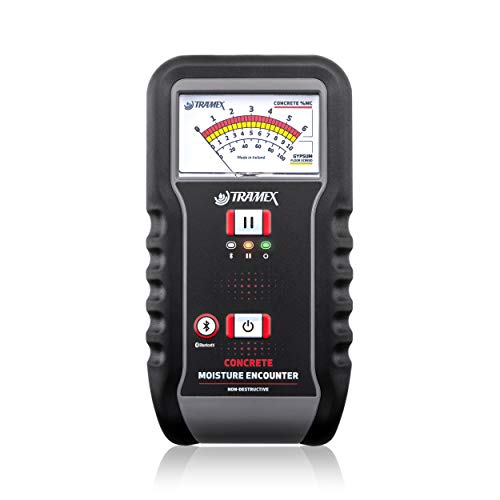
PREVENT MOISTURE PROBLEMS: A non-destructive analog moisture meter for instant measuring of moisture content in concrete flooring, slabs & screeds, as per ASTM F2659

Dual-Function Measurement: Seamlessly switch between pin and non-invasive modes to accurately assess moisture levels in various building materials, including wood, drywall, concrete, and fiberglass boat hulls
Frequently Asked Questions
How to Revive a Dying Indoor Tree?
A dying indoor tree screams for salvation in indoor gardening. Proper tree care demands precise watering techniques, maintaining soil moisture, optimizing plant nutrients, and monitoring environmental factors closely. Recognizing growth signs heralds the tree’s miraculous recovery.
How Long Does It Take a Plant to Recover From Lack of Water?
Recovery from lack of water typically spans days to weeks. Monitoring soil moisture, adjusting the watering schedule, managing indoor humidity, and observing recovery signs—like reduced leaf drooping and improved root health—helps alleviate plant stress during this period.
How to Bring an Underwatered Plant Back to Life?
Like awakening a dormant seed, reviving an underwatered indoor garden requires attentive plant care: steady watering techniques, balanced soil moisture, proper humidity levels, ideal light requirements, and gentle fertilization tips to restore vibrant life and growth.
How Long Does It Take for an Underwatered Plant to Recover?
Recovery signs typically appear within one to two weeks but may extend to a month, depending on plant types. Proper watering techniques, soil moisture management, humidity levels, light exposure, and cautious fertilizer use influence the recovery duration.


