As an Amazon Associate, we earn from qualifying purchases. Some links on this site are affiliate links at no extra cost to you. Our recommendations are based on thorough research and editorial judgment.


Allergy Considerations When Adding Trees Indoors

Indoor trees can emit pollen, dust, and mold spores, which often trigger allergic reactions like sneezing and skin irritation. Overwatering promotes mold, so soil moisture should stay moderate with humidity between 30-50%. Choosing low-allergen species such as Snake Plant or Janet Craig reduces risk. Regular leaf dusting and proper ventilation further limit allergen buildup. Advanced air purifiers efficiently trap airborne particles for cleaner air. Exploring these care practices and plant choices enhances allergy management indoors.
Key Takeaways
- Indoor trees can produce pollen, mold spores, and dust, which are common allergens triggering respiratory and skin symptoms.
- Overwatering indoor trees promotes mold growth in soil, increasing the risk of allergy flare-ups.
- Regular cleaning of leaves and proper ventilation reduce dust and airborne allergens indoors.
- Choose low-allergen indoor trees like Janet Craig, Snake Plant, or Chinese Evergreen to minimize allergy risks.
- Using air purifiers and maintaining indoor humidity between 30-50% helps control allergens from indoor plants.
Understanding Allergens From Indoor Trees
You may be interested


Although indoor trees enhance air quality and aesthetic appeal, they can also introduce allergens that affect sensitive individuals. Indoor allergies often stem from pollen released by flowering trees, which triggers immune responses in vulnerable people. Overwatered soil promotes mold spore growth, worsening allergy symptoms by negatively impacting indoor air quality. Dust settling on leaves adds to respiratory discomfort if trees aren’t cleaned regularly. Some species, like the Weeping Fig (Ficus benjamina), produce latex-like sap particles, which are known allergens. Proper plant maintenance, such as controlled watering and adequate ventilation, helps limit allergen buildup indoors. Understanding these sources is essential for managing indoor allergy risks effectively, helping to balance the benefits of trees with potential sensitivities. Choosing low-maintenance greenery can reduce allergen risks while maintaining indoor beauty.
Common Allergy Symptoms Linked to Indoor Plants
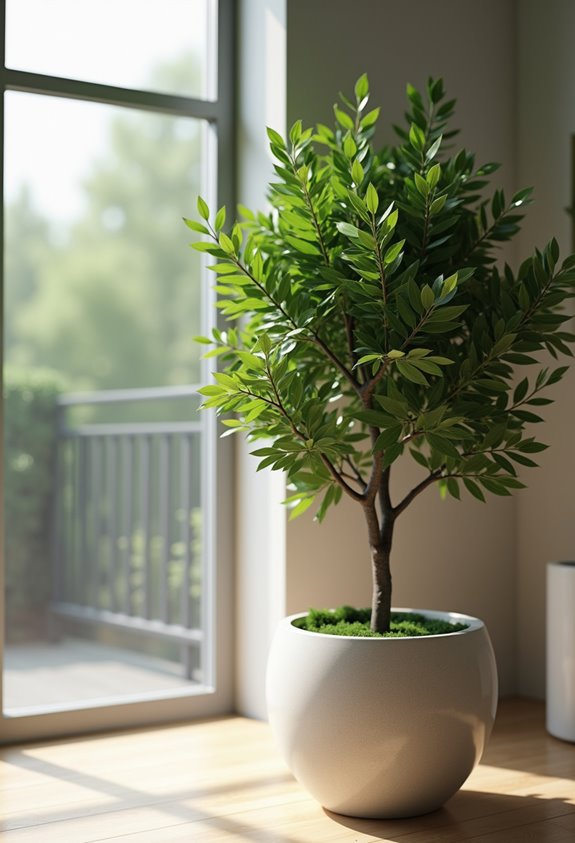
Allergic reactions to indoor trees frequently manifest through a range of symptoms affecting the respiratory system and skin. Common allergy symptoms linked to indoor plants include cold-like signs such as sneezing, nasal congestion, and a persistent cough. Red, itchy eyes often accompany these respiratory issues, creating discomfort for affected individuals. Skin reactions like contact eczema and hives may develop from direct exposure to plant sap or juice. Airborne pollen and dust particles from indoor plants are primary allergy triggers, causing irritation in up to 20% of the U.S. population. Symptoms can continue even after removing the allergenic plant, as proteins may linger in household dust. Regular cleaning and proper ventilation are essential to reduce allergy risks associated with indoor plants and maintain healthier indoor air quality. Selecting low-maintenance artificial trees can significantly help reduce allergy concerns while bringing natural aesthetics indoors.
High-Risk Indoor Trees for Allergy Sufferers

Indoor trees present unique challenges for allergy sufferers due to their diverse biological properties. High-risk indoor trees include the Weeping Fig (Ficus benjamina), which can cause latex-like allergic reactions, such as skin irritation and respiratory issues. Flowering Maple also poses risks, triggering mild to severe skin and respiratory allergic responses. Trees like the Norfolk Island Pine can accumulate dust and mold, exacerbating allergies with cold-like symptoms and breathing difficulties. Additionally, certain Christmas tree varieties shed pollen and release terpenes that increase allergen exposure. Mold spores commonly found on popular indoor trees further elevate allergic reaction risks, necessitating vigilant maintenance. Thus, individuals with allergies should carefully consider these high-risk species before bringing them indoors to minimize adverse health effects linked to airborne or contact allergens. Alternatively, allergy sufferers may find relief by opting for UV-resistant artificial boxwood spiral topiaries, which provide the aesthetic benefits of greenery without triggering allergic reactions.
Low-Allergy Indoor Tree Alternatives

Low-allergy indoor tree options prioritize species with minimal pollen production and reduced allergenic compounds. The Janet Craig, commonly called the corn plant, improves air quality without triggering allergic reactions, making it a go-to low-allergy indoor tree. Snake Plants, or Mother-in-Law’s Tongue, survive diverse light conditions and emit almost no allergens, providing durability alongside allergy-friendly benefits. Chinese Evergreens adapt well to low light and avoid pollen release, further reducing allergy risks indoors. Plants rated low on the OPALS scale, like the Marginata (Dragon Tree), cut pollen exposure, benefiting sensitive individuals. Additionally, Peace Lilies support air purification, being safe around children and pets, fitting well among allergy-friendly plants in homes prioritizing health and comfort without sacrificing greenery. For those seeking extra privacy while maintaining allergy safety, artificial privacy trees provide a low-maintenance alternative that requires no watering and emits no pollen indoors.
The Role of Mold and Dust in Plant Allergies

While indoor plants enhance air quality and aesthetics, they can also harbor allergens such as mold and dust. Mold spores frequently develop in overwatered soil, especially when stagnant water remains in containers, promoting respiratory issues. Dust accumulation on leaves not only reduces photosynthesis but also triggers sneezing and coughing in sensitive individuals. Plant containers made from plastic or ceramic help reduce mold growth compared to wooden pots or baskets, which retain moisture. Regular cleaning of leaves using soft cloths or feather dusters effectively minimizes dust buildup, lowering allergen presence indoors. Preventing excess moisture and maintaining cleanliness are essential steps to reduce mold and dust-related allergic reactions when adding trees indoors, ensuring a healthier environment without compromising plant growth or visual appeal. Additionally, using UV-resistant polyester leaves in artificial trees can minimize mold and dust accumulation, offering a practical low-maintenance alternative for allergy-sensitive spaces.
Seasonal Influences on Indoor Tree Allergens
Seasonal shifts greatly affect allergen levels in trees kept inside homes, especially during spring. Many indoor plants release increased pollen into the air during this season, elevating allergenic particles. Pollen exposure from flowering indoor trees may cause respiratory issues and cold-like symptoms in sensitive individuals. During winter, indoor heating lowers humidity, promoting dust accumulation on plant surfaces, which can trigger allergic reactions even after plants are removed. Additionally, dry air facilitates mold growth in the soil of potted trees, worsening allergen presence. Managing indoor humidity between 40-60% can reduce mold proliferation. Overall, seasonal variations influence airborne allergen concentrations from indoor plants, and understanding these changes is vital for allergy management when selecting and maintaining indoor trees. Choosing decorations crafted from durable materials like Paulownia wood can help create a visually pleasing and allergy-conscious indoor environment.
Effective Care Practices to Reduce Allergens
Maintaining indoor trees with diligent care practices greatly reduces allergen exposure in living spaces. Regularly dusting leaves with a soft cloth or feather duster helps remove accumulated allergens, improving air quality indoors. Proper drainage is essential; avoid overwatering to prevent mold growth in soil, which can worsen allergy symptoms. Monitoring indoor humidity levels, ideally keeping them between 30% and 50%, helps prevent mold development. Selecting non-allergenic species, like Leyland Cypress, limits pollen release and reduces allergic reactions. Additionally, integrating air purification systems designed to trap pollen and mold spores, such as the iAdaptAir® series, further purifies air quality. These combined practices effectively prevent mold and minimize airborne allergens, creating a safer environment for individuals sensitive to indoor tree-related allergens. Choosing artificial trees with features like maintenance-free foliage can further reduce allergen risks indoors.
Air Quality Management in Spaces With Indoor Trees
Air quality management plays a vital role in indoor spaces with living trees. Common indoor trees can release pollen and mold spores, especially if soil is overwatered, negatively impacting air quality. Regularly dusting leaves markedly reduces airborne allergenic particles and improves overall indoor air. Maintaining ideal humidity levels between 40-60% and ensuring proper ventilation prevents mold growth in soil, which often worsens allergy symptoms. Monitoring CO2 and particulate matter concentrations can help assess air quality and guide adjustments in care routines. While advanced air purification systems are useful, basic steps like leaf cleaning and soil moisture control remain foundational. Good air quality management balances environmental factors and plant care to minimize allergens, creating healthier living spaces with indoor trees. For allergy-sensitive environments, considering faux trees can be a beneficial alternative since they require no watering or trimming and do not release pollen or mold spores.
Benefits of Using Air Purification Technology
Many indoor environments benefit greatly from advanced air purification technology. An air purifier equipped with a 5-stage filtration system, including medical-grade HEPA filters, effectively captures microscopic pollen particles that aggravate allergies. Carbon filters absorb volatile organic compounds linked to allergic reactions, thereby improving air quality. UV technology and bi-polar ionization further enhance allergen removal, addressing sensitivities related to indoor trees. Modern air purifiers often feature built-in air quality sensors that automatically adjust purification intensity based on detected environmental changes. This responsiveness guarantees consistent allergen control. Regular use of these devices substantially reduces dust, mold spores, and pollen levels, mitigating common triggers for allergy sufferers. Consequently, air purification technology provides a practical method to maintain safer indoor spaces when adding trees, improving air quality without introducing new respiratory irritants. In addition, selecting UV-resistant options helps ensure the air remains clean and free from degrading pollutants often associated with plant additives.
Practical Tips for Selecting Allergy-Friendly Indoor Trees
Selecting indoor trees with low allergenic potential is a practical strategy to improve indoor air quality while enjoying greenery. Choosing allergy-friendly species like Janet Craig or Snake Plant, rated low on the Ogren Plant Allergy Scale (OPALS 1-3), reduces pollen exposure indoors. Avoid trees such as the Weeping Fig (Ficus benjamina) because it releases latex-like allergens that trigger respiratory and skin reactions. Proper care is essential; guarantee good drainage and avoid overwatering to prevent mold, a common allergen source. Regularly dusting and cleaning leaves remove accumulated dust and mold spores, further minimizing allergen presence. Selecting tree species with these characteristics supports a healthier environment, especially for individuals sensitive to airborne allergens, while maintaining natural indoor aesthetics. Additionally, opting for maintenance-free artificial trees can eliminate allergen concerns altogether while providing year-round greenery indoors.
Frequently Asked Questions
Can Artificial Trees Cause Allergies?
Artificial trees can cause allergy symptoms in sensitive individuals due to artificial materials like PVC. While they typically lack pollen, dust or mold accumulation on these materials may trigger allergic reactions if not properly cleaned or stored.
Do Indoor Plants Trigger Allergies?
Indoor plants can trigger allergies coincidentally as airborne indoor pollen or mold spores arise, impacting sensitive individuals. Thoughtful plant selection reduces risks, emphasizing species with low allergenic potential to maintain healthy indoor air quality and well-being.
What Is the 3 Day Rule for Allergies?
The 3 day rule for allergies advises monitoring symptoms for three days after exposure to detect reactions. It helps distinguish seasonal allergies from triggers, guiding allergy testing decisions and ensuring accurate identification of potential allergens.
How Do I Know if I’m Allergic to Trees?
To determine if one is allergic to tree pollen, allergy testing such as skin tests offers effective diagnosis. Consulting an allergy specialist and reviewing symptoms during pollen seasons help confirm sensitivity to specific tree allergens.


