As an Amazon Associate, we earn from qualifying purchases. Some links on this site are affiliate links at no extra cost to you. Our recommendations are based on thorough research and editorial judgment.


Creating a Maintenance Schedule for Multiple Indoor Trees

Creating a maintenance schedule for multiple indoor trees involves evaluating each species’ water and light needs, ideally measuring soil moisture at 1-2 inches deep and light intensity in lux. Trees require specific humidity levels, typically 40%-60% for tropical types, and temperatures stable between 65°F and 75°F. Regular pest inspections and pruning are essential, with care logs tracking watering and fertilization. Scheduling these tasks and planning for absences guarantees consistent care. Further insights cover optimizing these routines efficiently.
Key Takeaways
- Assess and document each tree’s individual light, water, and humidity requirements to tailor the maintenance schedule accordingly.
- Use a daily checklist for watering, soil moisture checks, and pest inspections to ensure consistent care across all trees.
- Implement weekly tasks like removing dead foliage and dusting leaves to maintain tree health and appearance.
- Schedule monthly tasks such as fertilization, pruning, and monitoring environmental conditions to optimize tree growth.
- Utilize digital tools or printed charts with care tags and reminders to track and manage diverse species’ care needs effectively.
Understanding Individual Tree Needs
You may be interested


Indoor trees require tailored maintenance plans based on their species-specific needs. Understanding the unique water requirements of each individual species is crucial; some require watering every few days while others can tolerate longer intervals, up to several weeks. Monitoring tree health involves recognizing growth cycles, which dictate when to increase or reduce care efforts. Tropical species often need elevated humidity, achievable through misting or humidifiers, to prevent leaf dehydration and stress. Additionally, regular pest inspections safeguard long-term health by identifying early signs of infestation or disease. Adapting the care routine to these specific demands helps maintain ideal tree health, ensuring each indoor tree thrives in its environment. This approach maximizes resources and prevents common maintenance errors that could impair growth or aesthetic quality. For instance, selecting trees made with non-toxic materials can help ensure safety for households with pets and children while simplifying maintenance.
Assessing Indoor Light Conditions

Watering schedules and humidity needs vary by species, but light exposure equally shapes growth patterns. Evaluating indoor light conditions means measuring both intensity and duration of sunlight received daily, essential for keeping plants healthy. Using light meters or smartphone apps provides precise lux readings from various locations in a room. South-facing windows offer the brightest light, ideal for sun-loving species like succulents and cacti, which require 10,000 to 20,000 lux. Conversely, low-light plants such as snake plants prefer indirect light or shaded areas with around 1,000 to 5,000 lux. Regularly observing signs like leaf burn or stretched stems helps identify if light levels need adjustment. Proper evaluation of light conditions forms a critical part of tree care, enabling informed decisions to maintain each plant’s ideal growth environment. For indoor artificial trees, choosing models made from flame-retardant PVC ensures safety while providing a lifelike appearance without the need for natural light.
Recommended Products

PERFORMANCE :Made of high quality synthetic material, Superior resilience and durability, rubber backed with drainage hole,can be dry quickly.

The electric underfloor heated TapeMat rolls out easily to be installed beneath tile, stone, wood, or laminate flooring in homes and commercial buildings, mesh can be cut with scissors and flipped, and the blue wire can be pulled out and run around obstructions and awkward spaces

Thick & Realistic Artificial Grass Rug: Grass height about 1.37” in length, 70 oz total weight per square yard, high-density artificial grass. With 4 tone color, soft and lush and the thatch looks & feels like real grass. Providing you with year round green and turf enjoyment, perfect for all indoor and outdoor projects
Determining Watering Frequency

Some species require watering every few days, while others thrive with less frequent hydration. Watering frequency depends largely on each tree’s water needs and soil moisture levels. Checking soil moisture at a depth of 1-2 inches helps indicate when to water. Overwatering risks root rot, so pots must have proper drainage to prevent standing water. Adjust watering frequency seasonally, as indoor trees typically need less water during dormancy. Tropical varieties generally require more frequent watering compared to desert-adapted species favoring drier soil. Keeping a log of each tree’s watering schedule guarantees individual needs are met efficiently. Monitoring soil moisture regularly and tailoring hydration accordingly helps maintain healthy root systems and overall plant health. Additionally, selecting weather-resistant materials for pots and trees can reduce maintenance and protect plants from environmental stressors, especially in transitional indoor-outdoor settings.
Recommended Products
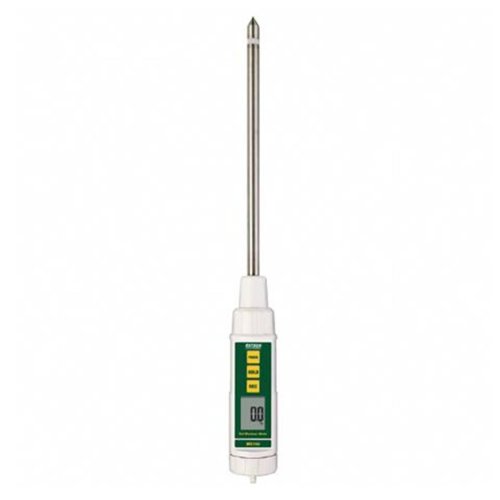
Reliable Soil Moisture Measurement - Take the guesswork out of plant care. The Extech MO750 provides precise soil moisture readings with its durable 8" stainless steel probe, helping you monitor conditions deep beneath the surface.

Fast measurement: Check moisture content of wood through pin-type-based detection technology as an orientation for the user; easy to push the pins into the wood

【2-IN-1 MOISTURE METER】: the high-resolution moisture meter has two different modes for measuring wood and buildings. One is the relative measurement (no % sign) that places a spherical probe on an object to measure the relative humidity of objects in the environment, suitable for quick identification of relative humidity points in large areas. Another method is the absolute measurement (with % sign), in which a stainless steel needle is inserted into the surface of the object to measure the absolute value of its moisture
Monitoring Temperature and Humidity

When temperature and humidity fluctuate outside ideal ranges, indoor trees often exhibit signs of stress like leaf browning or slowed growth. Best temperature for indoor trees lies between 65°F and 75°F (18°C to 24°C) during daytime, with nights staying above 60°F (15°C). Maintaining humidity levels between 40% and 60% is critical, particularly for tropical species, as low humidity may trigger stress symptoms. To stabilize humidity, using a pebble tray filled with water, a humidifier, or misting leaves regularly can be effective. Temperature swings from direct sunlight or drafts can also damage foliage, so positioning trees away from windows, doors, and HVAC vents supports healthier growth. Regular monitoring guarantees temperature and humidity remain within these specified limits for best tree health. For those considering low-maintenance options, selecting UV-resistant faux trees can provide greenery without environmental stress concerns.
Recommended Products


Humidifiers Bedroom with Night Light, Top Fill Whole House Smart Humidifier for Baby

NATURAL WATER FEATURE: This beautiful nature-inspired fountain is studded with cool white LED lights, adding a magical touch to the already stunning water display
Recognizing Dormancy Periods

Although indoor trees generally thrive year-round, many species enter a dormant period during cooler months, which is critical to recognize for effective care management. Dormancy often presents as yellowing leaves or leaf drop, signaling the need to reduce watering and feeding. The timing and intensity of dormancy vary widely among species; tropical plants typically show milder changes, requiring less adjustment. During dormancy, plants slow growth and conserve energy, so proper care involves lowering water frequency to prevent root rot and adjusting fertilizer schedules accordingly. Monitoring light exposure and maintaining stable temperatures near 60-65°F support plant health through dormancy. Recognizing these cues guarantees care aligns with the tree’s metabolic slowdown, promoting a smoother change when growth resumes in warmer months. Using UV-resistant materials for indoor plant décor can help maintain aesthetic appeal during dormant seasons.
Creating a Weekly Care Checklist
Developing a weekly care checklist streamlines maintenance and guarantees consistent attention to indoor trees. Daily checks should assess soil moisture levels and inspect plants for pest infestations or signs of stress, such as drooping leaves. Weekly tasks include watering moderate-need plants, removing dead foliage, and dusting broad leaves to improve photosynthesis and prevent disease. Using a digital checklist or printed wall chart supports efficient tracking of individual plants’ care needs and simplifies accountability. Labeling pots with care tags indicating watering frequency, light intensity, and humidity preferences further aids caretakers in following precise care instructions. This structured checklist also facilitates scheduling monthly tasks like fertilization and pruning, promoting healthy growth across plant varieties and seasonal cycles, ensuring diverse indoor plants receive proper customized maintenance consistently. For example, many artificial trees require only occasional dusting due to their maintenance-free nature, reducing the overall workload.
Assigning Responsibilities for Plant Care
Assigning clear responsibilities for indoor tree care enhances maintenance efficiency and accountability. Specific individuals should be designated for watering duties, guaranteeing soil moisture near tree roots is checked weekly. A rotating schedule can distribute pruning tasks according to plant species, with intervals set every few months to maintain proper growth. Team members assigned to bi-weekly inspections should monitor for pests, discoloration, or stress symptoms. Labeling each pot with watering frequency and sunlight requirements helps clarify ongoing duties and prevent care errors. Although digital tools like checklist apps are useful for tracking, clearly defined human accountability remains essential. This structure guarantees timely watering, pruning, and health monitoring, promoting healthy indoor trees and preventing root damage or neglect in a multi-plant setting. Selecting trees with UV-resistant materials can reduce maintenance needs and increase the durability of indoor plants.
Using Labels and Reminders Effectively
Consistent communication plays an important role in managing indoor tree care effectively. Clearly labeled care tags attached to pots specify watering frequency, light needs, and fertilization timing. These tags provide precise instructions for each tree to receive proper care and attention. Utilizing shared digital checklists or a physical wall chart promotes task accountability among multiple caregivers. Timely reminders on mobile devices guarantee nutrients and water are supplied as scheduled, reducing the risk of neglect. Visually differentiated schedules help track diverse species’ requirements, preventing missed maintenance during busy periods or staff changes. Additionally, combining plant care with routine cleaning integrates responsibilities, assuring trees receive consistent nutrients and water in a clean environment. This approach enhances maintenance accuracy while supporting long-term indoor tree health and well-being. Incorporating durable signage materials can further improve the clarity and longevity of care instructions displayed throughout the indoor garden.
Managing Pest and Disease Prevention
Effective maintenance of indoor trees extends beyond scheduling care tasks to include vigilant pest and disease management. Regular monitoring for pests like aphids, spider mites, and scale insects is essential, as early detection prevents widespread damage. Implementing Integrated Pest Management (IPM) involves identifying pest problems accurately, reducing favorable habitats, and applying targeted treatments only when necessary. Diseases, particularly fungal infections causing leaf spots or wilting, require attention through proper watering practices and promoting good air circulation around each tree. Preventive measures, such as avoiding overwatering and ensuring adequate spacing, minimize disease risks effectively. If pests or diseases persist, consulting professional tree care experts is advisable, as they offer specialized solutions tailored to specific indoor tree species. This approach maintains healthy trees while limiting chemical use responsibly. Additionally, choosing maintenance-free artificial olive topiary trees helps eliminate pest and disease issues altogether, offering an evergreen aesthetic without ongoing care concerns.
Recommended Products

AgroMagen, GrowSafe Bio-Pesticide, Organic and Natural Miticide, Fungicide and Insecticide (5.2 Gal)
Only effective on spider mites (two-spotted mites, broad mites, russet mites), whiteflies, aphids, powdery mildew, and downy mildew

CONVENIENT PEST CONTROL: Protection against a wide range of residential and commercial pests populations including spiders, scorpions, fleas and mosquitoes.

PROTECTS PLANTS FROM MOISTURE LOSS: Stops winter damage, reduces drought stress, planting/transplanting stress and more. Dries to a soft, flexible clear film to lock in moisture. Professional grade.
Planning for Staff Absences and Vacations
Many maintenance tasks must continue seamlessly during staff vacations to avoid plant stress. Establishing a clear care rota guarantees tasks like watering and fertilizing are consistently performed, even when key personnel are absent. Younger trees, which require more frequent attention, should have specific care tags detailing their unique needs. Labeled pots with instructions simplify care for temporary staff and reduce mistakes. Weekly reminders for pest checks and watering maintain routine adherence. A digital checklist tracks daily, weekly, and monthly duties for accountability among all team members. Ideally, appoint a knowledgeable team member to oversee plant care during absences. This approach assures that all indoor trees, including younger specimens, receive the precise care they need, sustaining excellent health and growth without interruption. Additionally, choosing low-maintenance artificial trees can further ease care demands during staff absences.
Incorporating Professional Tree Care Services
Professional tree care services bring specialized knowledge to indoor tree maintenance. These services provide timely pruning and health monitoring essential for sustaining growth and appearance. Professional care includes early pest and disease detection, which prevents health decline by addressing issues promptly. Experts craft tailored maintenance schedules specific to each species, optimizing watering and fertilization based on requirements. This customized approach eliminates guesswork and supports consistent tree care routines. Engaging trained professionals reduces the burden on owners by handling detailed tasks while promoting better air quality and visual appeal in spaces with multiple trees. Such professional tree care improves overall plant health and environment, allowing tree owners to focus on other responsibilities confidently without sacrificing their indoor trees’ well-being or aesthetic value.
Recommended Products

Birds on Tree Branch Metal Wall Art: With its lifelike design, this metal bird wall decor not only brings natural vitality and beauty to your wall, but also captures the smart gesture of birds through the metal process, making your living space instantly full of natural charm and artistic vitality

PATENTED CENTER LOCK: Quick, easy setup. This pop up greenhouse with patented center lock technology supports one person setup in seconds. The pre-assembled frame and innovative Peak Push locking system delivers a quick setup. No tools required. Whether you're a seasoned gardener or just starting out, the EAGLE PEAK walk-in greenhouse for outdoors saves you time and hassle so you can focus on what matters - growing

XXL Cat Tree for Multi-Cat Households: This 72.4 inch high cat tower takes your cat's life to new heights! This tall cat tree has a big top resting place, private apartments, sisal-covered scratching boards, and fluffy pom-poms, providing rest and entertainment for kittens, adult cats and large cats. Each layer provides enough play and climbing space for cats and can accommodate 4-5 adult cats playing at the same time.
Evaluating and Adjusting the Maintenance Schedule
How often should indoor tree maintenance routines be reviewed to guarantee plant health? Ideally, assessments should occur monthly to monitor water needs, light exposure, and humidity levels. Different species require watering intervals ranging from every few days to several weeks, impacting overall health and structural stability. Regular evaluation supports adjustments in lighting placement to prevent stress from intense sunlight. Humidity management using misting or humidifiers benefits tropical trees considerably. Tracking growth cycles is essential to schedule pruning, fertilizing, or nutrient application, especially during active growth periods. Rotating weekly tasks among caretakers assures consistency in maintenance duties. Adjusting the maintenance schedule based on these observations helps preserve ideal tree health and structural stability within indoor environments, preventing potential risks associated with neglect or improper care.
Frequently Asked Questions
What Are the 3 C’s of Pruning?
The three C’s of pruning are Crown, Cross, and Canopy. These pruning techniques enhance tree health by improving light penetration, preventing branch wounds from rubbing, and shaping the canopy for balanced growth, promoting structural integrity.
How to Take Care of Indoor Trees?
Indoor trees require care aligned with their specific water requirements and light preferences. Regular watering, appropriate light exposure, fertilization, pest monitoring, and pruning guarantee healthy growth and longevity within indoor environments.
How Do I Create a Maintenance Schedule?
A botanical office scheduled weekly pruning techniques and adjusted watering frequency based on species. This maintenance schedule streamlined care, assigning daily moisture checks and monthly fertilizing, ensuring healthy growth while efficiently managing multiple indoor trees simultaneously.
What Is the Most Low Maintenance Indoor Tree?
The Snake Plant is often regarded as the most low maintenance indoor tree due to its tolerance of various light conditions and infrequent watering needs. The Ficus Elastica also requires minimal care but is slightly less forgiving.


