As an Amazon Associate, we earn from qualifying purchases. Some links on this site are affiliate links at no extra cost to you. Our recommendations are based on thorough research and editorial judgment.

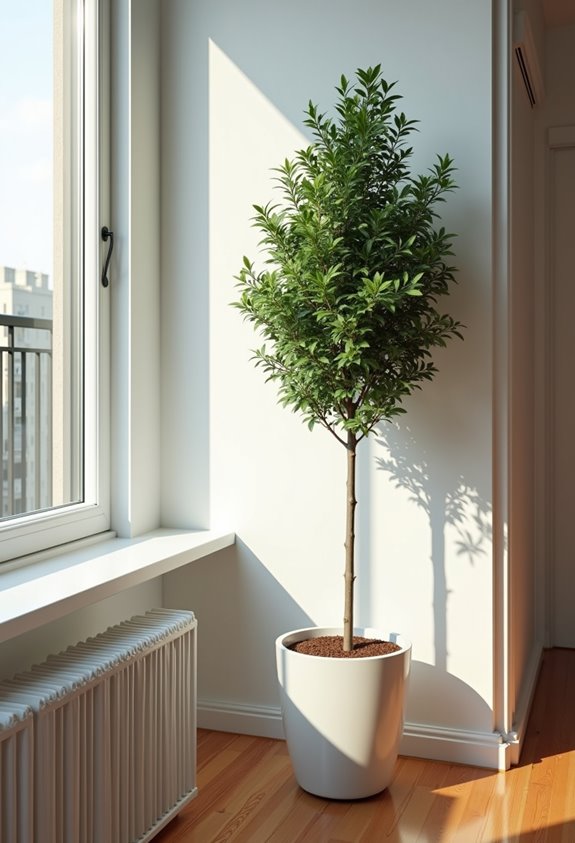
Small‑Space Tree Journal: How to Document Your Tree Journey

Small-space tree journaling requires compact, organized materials like a sturdy clipboard, sharp pencil, and 60-inch measuring tape for accurate data collection. Observers should select accessible native trees with distinct bark and leaf features to track seasonal changes effectively. Bark rubbings need clean, dry bark and sturdy paper to capture texture clearly, while maintaining labeled records. Documenting wildlife and growth measurements enriches the journal’s scientific value. Following proper techniques enhances precision and makes tree journaling more manageable and insightful for ongoing study. Additional guidance covers journaling methods.
Key Takeaways
- Use a sturdy clipboard or 1½-inch binder to organize and protect your small-space tree journal pages efficiently.
- Document tree health, bark texture, leaf shape, and seasonal changes with detailed notes and sketches in a compact journal.
- Make bark rubbings using crayons and sturdy paper to capture tree texture without taking up much space.
- Record wildlife interactions and environmental details like time, weather, and species around the tree for enriching journal entries.
- Use clear headings, dates, and dividers to categorize observations, enabling easy reference and streamlined data retrieval.
Materials Needed for Tree Journaling
You may be interested


A well-prepared tree journaler gathers specific materials before beginning observations. Essential materials include a sturdy clipboard to organize notes and a sharp pencil for writing and detailed sketching. Crayons serve a practical purpose by enabling bark rubbings, which capture the tree’s texture accurately. A dedicated journal or printed observation worksheet aids in systematically documenting findings, including leaf and seed sketches when physical samples are unavailable. A measuring tape, ideally 60 inches or longer, is useful for determining trunk circumference, assisting in estimating tree size. Collecting seeds and leaves enhances data accuracy. Additionally, noting local wildlife and environmental changes during repeat visits enriches the journal’s content. These materials guarantee thorough and precise records, making the tree journaling experience efficient and methodical. For small spaces, consider incorporating vertical interest by observing pencil-shaped trees that fit narrow areas while adding aesthetic appeal.
Selecting the Perfect Tree to Observe

When choosing a tree to observe, accessibility plays a key role in sustaining consistent data collection over time. Selecting a tree located near pathways or in open areas lowers physical barriers and guarantees regular entry for detailed study. Opt for a specimen with distinct features like varied bark textures, unique leaf shapes, or prominent bud development to enrich observations recorded in a tree journal. Prioritize native species, as they thrive under local climatic conditions and support diverse fauna, offering broader ecological insights. Assess the tree’s health by examining leaf vitality, trunk integrity, and root exposure to understand its life cycle within the ecosystem. Additionally, choose trees that exhibit clear seasonal changes, including vibrant autumn foliage or spring flowering, to capture dynamic temporal transformations worth noting in the journal. Also, consider the tree’s size and dimensions to ensure it fits comfortably within your observation space without overcrowding.
Techniques for Making Bark Rubbings
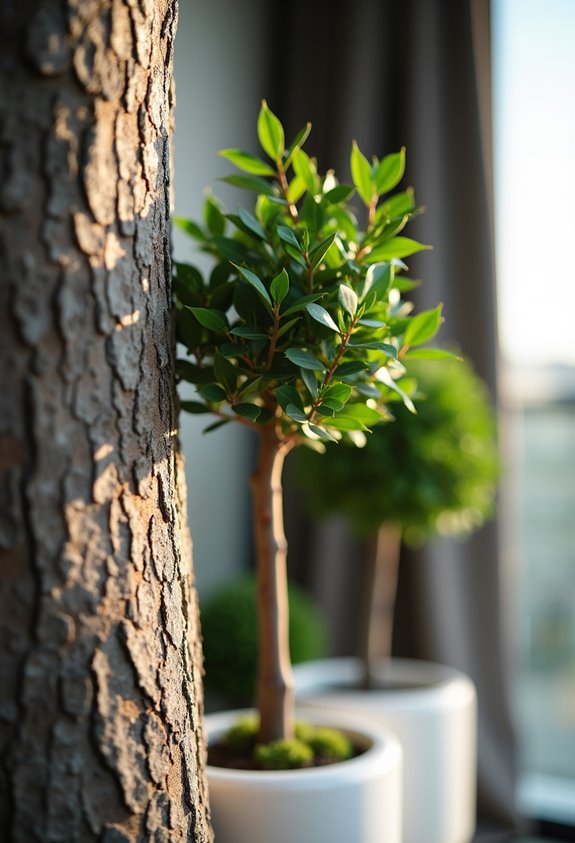
Choosing an appropriate section of tree bark is essential for producing a distinctive rubbing. Select an area with interesting patterns, textures, and clear depth variations to enhance visual appeal. Verify the tree bark is clean, dry, and free from peeling or damaged surfaces before starting. Use a piece of sturdy paper, placed flat against the bark, to capture the texture accurately. Apply the side of a crayon gently and evenly, rubbing across the paper to reveal bark details. Experimenting with multiple crayon colors can highlight finer features and add artistic dimension. After completing the rubbing, label it clearly with the tree species and date. This careful documentation creates a valuable record for comparison and study within the small-space tree journal. Proper lighting conditions, such as those provided by adjustable full spectrum LED lights, can improve visibility when creating detailed bark rubbings indoors.
Recording Seasonal Changes in Your Tree

Systematic observation of seasonal changes provides essential data for understanding tree development. Nature journaling encourages documenting bud appearance in early spring, noting color, size, and arrangement to mark initial growth phases. Leaf emergence in spring and summer requires detailed records on shape, size, and variations, highlighting maturation progress. Autumn observations focus on leaf color shifts and patterns, which indicate seasonal changes visibly. Winter entries should describe bark texture and prominent buds, offering insights into dormancy resilience. Regularly measuring trunk circumference and height each season quantifies growth and health, aiding long-term assessments. Maintaining consistent, precise records in a small-space tree journal helps capture the full life cycle dynamics, strengthening observational skills and providing a valuable reference for botanical studies and personal tree tracking over time. For tree enthusiasts managing limited areas, selecting small-space tree options like compact faux trees can complement nature journaling by providing year-round greenery without maintenance.
Sketching Your Tree: Tips and Ideas

Although sketching a tree may seem straightforward, capturing its unique structure requires focused attention. Begin by selecting one tree to observe closely, noting trunk shape, leaf patterns, and branch layout. Employ line drawing techniques for clear outlines and shading to depict depth and light effects. Use your journal page to record not only the tree’s form but also elements of its environment, like surrounding plants or wildlife. Experiment with materials such as colored pencils or watercolors to add realistic texture and color variations. Revisit the same tree regularly to document seasonal transformations—budding, leaf color changes, or branch development. These detailed sketches provide valuable insights into the tree’s life cycle, enriching your overall understanding while adding visual interest to your journal pages. For added inspiration, consider studying the space-saving designs of narrow or half Christmas trees, which highlight unique structural features and lighting effects.
Measuring Tree Growth and Dimensions
Measuring various dimensions of a tree provides essential data on its growth and health. To measure trunk circumference, wrap a measuring tape around the tree at chest height, approximately 4.5 feet above the ground, and record the result in inches or centimeters. Canopy width is estimated by measuring the distance from one outermost branch to the opposite side. Tree height can be assessed using a height tool or the stick method, applying simple trigonometry to calculate height from angle measurements. Seasonal growth tracking involves comparing last year’s terminal buds to this year’s and examining growth scars. Regularly recording these measurements in a nature journal helps track growth patterns and health status over time. Each entry provides valuable longitudinal data to guide observation and care decisions. For indoor trees, selecting compact artificial trees with hinged branches can simplify setup and maintenance while fitting small spaces.
Noting Wildlife Interactions Around Trees
Observing wildlife around a tree complements physical measurements by revealing ecological relationships. Documenting wildlife interactions involves noting species using the tree for food, shelter, or nesting, such as birds nesting in branches or squirrels foraging in bark crevices. Recording the number and type of animals seen enhances understanding of local biodiversity and the tree’s role as habitat. Seasonal shifts affect these interactions, for example, migrating birds in spring or mammals gathering near roots before winter. Quiet observation is essential to capture authentic behaviors, including feeding, mating, or territorial displays. These detailed notes provide valuable data on species interdependence and ecosystem health. Including time of day, weather conditions, and interaction duration increases the precision of wildlife observations in a tree journal. Incorporating artificial trees with realistic silk leaves can help attract and support local wildlife for extended observation without maintenance.
Writing Prompts to Enhance Tree Observations
How can writing prompts deepen the clarity of tree observations? Using targeted prompts guides journal entries to include essential sensory details, such as bark texture, color, and distinctive markings. Prompts encourage documenting wildlife interactions, including species observed, nests, or insect activity around the tree. They also support noting seasonal transformations like leaf color shifts or bud emergence, aiding phenological tracking. Creative prompts inspire stories or poems, connecting emotionally and ecologically with the tree’s environment. Incorporating sketches or diagrams of roots, branches, or leaf structures alongside written text further enhances understanding by providing visual context. By structuring observations with these diverse prompts, the journal becomes a thorough record, capturing both scientific data and personal engagement with the tree over time. This method improves accuracy and depth in small-space tree journaling practices. Additionally, understanding the durability and maintenance of faux trees can inform observational comparisons between live and artificial specimens in documented environments.
Ways to Organize and Preserve Your Tree Journal
Organizing a tree journal effectively supports long-term study and easy reference. Using a clipboard or a 1½-inch binder helps secure pages during outdoor activities, preventing loss or damage. Dividers categorize sections like species observations, sketches, and notable findings for structured entries. Clear headings with dates allow quick tracking of growth patterns or seasonal changes in specific trees. Digital tools, including scanning apps, enable backups of handwritten notes, safeguarding data if the physical journal is lost or harmed. A summary page at each season’s end highlights key insights and notable tree developments, promoting reflection. These methods guarantee the tree journal remains a reliable, well-preserved resource, facilitating ongoing learning and efficient data retrieval in compact or field conditions. Incorporating adjustable-height storage solutions can further optimize space when keeping multiple journals and reference materials organized in small spaces.
Sharing Your Tree Journal Experience With Others
Why share a tree journal beyond personal study? Sharing your tree journal experience with others encourages environmental awareness while building community ties. Using social media platforms or local groups helps showcase detailed observations of species like the Maple tree, promoting engagement. Hosting workshops or organizing tree walks creates hands-on learning opportunities. Participants exchange journal techniques, identify leaf shapes, bark texture, and measure trunk diameter consistently, enhancing collective knowledge. Maintaining a blog or newsletter where others submit entries enriches interaction by diversifying perspectives. This approach aids in tracking seasonal changes and improving identification skills, fostering collaborative observation. By connecting through shared experiences and structured formats, tree journaling evolves from a solitary practice into a shared environmental appreciation and education tool, making data accessible and inspiring stewardship. Incorporating UV-resistant materials in garden décor inspired by nature can further enhance outdoor journaling spaces by adding durable, low-maintenance greenery.
Frequently Asked Questions
How to Make a Tree Journal?
To make a tree journal, one peers into the tree’s silent story, sketching its anatomy—trunk, branches, leaves—while mapping growth and wildlife whispers. Measuring circumference and noting seasonal shifts capture nature’s living manuscript in vivid detail.
How to Write a Story of a Tree?
Tree narratives begin by detailing unique features and surroundings, incorporating seasonal changes and wildlife interactions. Including measured data adds depth, while concluding reflections emphasize the tree’s significance, weaving an informative and personal story about its life and environment.
What Are Common Mistakes in Tree Drawings?
Common mistakes in tree drawings include ignoring artistic accuracy by misrepresenting proportions, neglecting bark texture, branch arrangement, seasonal foliage, environmental context, and perspective, resulting in unrealistic, lifeless representations that fail to capture the tree’s true essence.
How to Describe Trees in Creative Writing?
Creative writing about trees employs vivid tree imagery by exploring bark textures and leaf shapes, using sensory details and metaphor to evoke motion and emotion, thereby visually representing the tree’s essence and seasonal transformation with originality and depth.


