As an Amazon Associate, we earn from qualifying purchases. Some links on this site are affiliate links at no extra cost to you. Our recommendations are based on thorough research and editorial judgment.


How to Choose Slim Trees for Small Urban Homes

Choosing slim trees for small urban homes involves selecting species with a mature width under 10 feet and upright, narrow growth habits like Goldspire Ginkgo or Tsukasa Silhouette Japanese Maple. Consider local hardiness zones, soil drainage, and pruning needs to maintain slim profiles and tree health. Opt for disease-resistant varieties that support biodiversity and enhance curb appeal. Balancing height, spread, and maintenance allows integration in tight spaces without overcrowding. Further insights cover climate matching and landscape benefits.
Key Takeaways
- Select trees with a narrow, upright growth habit that fit small yard dimensions without overcrowding, ideally 15-25 feet tall and 4-10 feet wide.
- Prioritize species with seasonally attractive foliage or flowers that enhance year-round urban aesthetics and increase property value.
- Choose trees adapted to your local hardiness zone (Zones 3-9) for better survival and disease resistance.
- Ensure soil conditions are well-drained and nutrient-rich to support healthy slim tree development and reduce maintenance needs.
- Plan for regular pruning and pest monitoring to maintain a slim profile, promote health, and extend tree longevity in urban settings.
Benefits of Slim Trees in Urban Landscapes
You may be interested
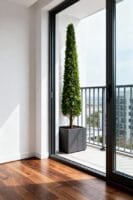


Several benefits make slim trees a practical choice for urban landscapes. Slim trees efficiently use vertical space, fitting well into small yards and urban gardens without crowding nearby structures or plants. Their narrow growth habit, typically under 3 feet wide, allows homeowners to add greenery while retaining open spaces. Many varieties display seasonal foliage changes, which enhances visual interest throughout the year. Additionally, slim trees function effectively as windbreaks, reducing wind impact without requiring substantial ground area. Their upright form also provides an effective privacy screen, blocking views where space is limited. Combined with their aesthetic appeal, these trees contribute positively to biodiversity by supporting urban wildlife. Consequently, slim trees offer a practical, multifunctional element for small urban settings, balancing space efficiency with environmental and privacy benefits. Moreover, choosing compact artificial trees can provide year-round greenery with minimal maintenance, making them ideal for busy urban dwellers.
Characteristics of Ideal Narrow Trees

Urban planners and homeowners prioritize specific traits when selecting narrow trees for limited spaces. Ideal small trees exhibit a narrow form with an upright growth habit, allowing them to fit neatly into compact yards. The mature height and spread typically range between 15-25 feet tall and 4-10 feet wide, ensuring they don’t overwhelm urban landscapes. Trees chosen for such spaces often feature ornamental flowers or vibrant foliage, adding visual interest. Attention to hardiness zones is essential, as disease resistance and climate adaptability determine long-term survival. Maintenance needs vary; regular pruning is vital to sustain their slim profile and overall health. By balancing form, size, and upkeep, narrow trees effectively enhance small urban environments without crowding or excessive care demands. It is also important to consider well-drained, loamy soil conditions to support optimal tree health and root growth.
Popular Narrow Tree Species for Urban Homes

When selecting narrow trees suitable for small residential plots, specific species offer both functional and ornamental benefits. The Goldspire Ginkgo is a narrow small tree reaching 14-15 feet tall and 5-6 feet wide, known for its golden yellow fall foliage and urban pollutant filtering ability. The Tsukasa Silhouette Japanese Maple is a slender columnar tree growing 15-20 feet in height and 6-7 feet wide with striking seasonal colors. Armstrong Gold Maple grows faster, up to 40 feet tall and 12 feet wide, maintaining a narrow profile ideal for limited spaces. Evergreen trees like the Forever Goldie Arborvitae and narrow Junipers, including Sky Pencil, provide vertical accents and privacy, thriving in tight urban homes without occupying much ground area. For homeowners seeking privacy with minimal maintenance, incorporating artificial hedge trees can be an effective and durable alternative to natural narrow trees.
Recommended Products
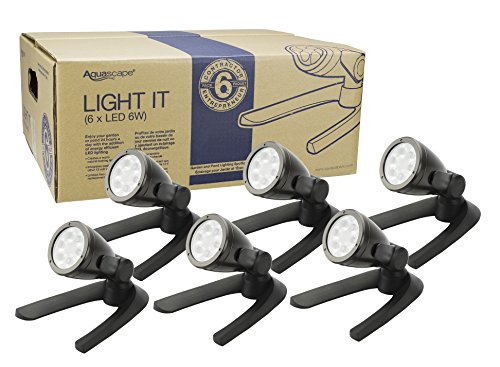
Six-Light Contractor Pack: Includes six Aquascape 6-watt LED spotlights for larger pond, waterfall, garden, and landscape lighting projects requiring multiple fixtures.

Six-Light Project Pack: Includes six Aquascape 3-watt LED spotlights for larger pond, waterfall, garden, and landscape lighting layouts requiring multiple fixtures with a consistent warm white appearance.

Traditionally Shaped Urn – Our Cloisonne urn has a wide rounded shape in the middle with a narrow base and top, delivering a classic shape
Assessing Available Space and Growth Potential

Careful measurement of available planting areas informs proper tree selection. For small spaces, determining the planting area’s dimensions guarantees the mature size fits without crowding structures or pathways. Fastigiate varieties and columnar trees are preferred for their narrow form and controlled growth habit, often reaching up to 25 feet tall. Soil conditions must be assessed to affirm they support healthy growth; well-drained soil is critical for successful root establishment and tree longevity. Additionally, verifying compatibility with local hardiness zones, typically Zones 3-9 in urban settings, optimizes survival rates. Maintenance needs also impact choice since some fast-growing trees require regular pruning to maintain their slim profile. Evaluating these factors collaboratively guarantees a slim tree thrives while respecting space constraints and urban challenges. Considering plants with space efficiency and low-maintenance needs helps ensure the tree complements the urban home’s limited area without requiring excessive upkeep.
Deciduous Versus Evergreen Slim Trees

Although both deciduous and evergreen slim trees suit small planting areas, they differ considerably in appearance and maintenance needs. Deciduous trees, like the Crimson Pointe Flowering Plum, offer seasonal interest with vibrant foliage and spring blooms but require leaf cleanup during fall. They typically need more sunlight and may spread wider, as the Goldspire Ginkgo grows 14-15 ft tall and 5-6 ft wide, demanding pruning for height management in narrow spaces. Conversely, evergreen slim trees such as the Forever Goldie Arborvitae maintain a consistent green backdrop year-round, adding visual appeal with minimal leaf cleanup. They adapt well to partially shaded urban landscapes and usually require less pruning, making them a low-maintenance choice where a steady green presence is desired without seasonal foliage changes. Additionally, selecting trees with fire-resistant and hypoallergenic materials can enhance safety and health benefits for small urban homes.
Using Slim Trees for Privacy and Windbreaks
Slim trees represent an efficient solution for urban privacy and wind control. Their columnar form suits narrow spaces, enabling homeowners to create effective privacy screens without overwhelming small gardens. For instance, Goldspire Ginkgo trees grow 14-15 feet tall with a 5-6 feet spread, providing neat foliage ideal for privacy. Dense foliage varieties like Forever Goldie Arborvitae reach 12 feet by 3-4 feet, offering year-round screening and a dependable windscreen. Ornamental trees, such as Crimson Pointe Flowering Plum, combine privacy with visual appeal, growing 20-25 feet tall while maintaining manageable size and minimal fruit drop. Similarly, fast-growing Armstrong Gold Maples serve as striking windbreaks up to 40 feet tall and 12 feet wide. Tsukasa Silhouette Japanese Maple’s narrow form efficiently blocks winds while adding seasonal colors to urban landscapes. Additionally, selecting trees with manageable root systems helps prevent damage to urban infrastructure, ensuring long-term garden health.
Recommended Products

Elegant, narrow columnar shape adds vertical interest to any garden, ideal for small spaces and landscape focal points

Skyrocket Juniper offers a striking columnar shape, perfect for adding vertical interest to landscapes and garden designs effortlessly

1 SCREEN PURCHASE: You will receive unassembled materials for 1 cedar outdoor privacy screen with planter box with your purchase
Maintenance and Care for Slim Urban Trees
When urban space limits root expansion, well-drained soil is critical for tree health and growth. Slim trees such as the Tsukasa Silhouette Japanese Maple thrive in this condition, avoiding root rot and fostering strong development. Regular pruning is key maintenance for keeping slim trees like Armstrong Gold Maple narrow and preventing overcrowding in small urban gardens. Consistent watering practices, especially during the first two years, establish roots before summer’s heat. Vigilant monitoring for pests and diseases safeguards species like Goldspire Ginkgo from urban stressors. Seasonal care involves measuring height and spread to maintain desired limits, ensuring trees provide visual interest without blocking walkways or views. This disciplined approach promotes healthy, attractive trees that thrive in compact city landscapes. Additionally, choosing maintenance-free greenery options can further reduce care demands in busy urban lifestyles.
Recommended Products

🔪 [Ultra-Sharp SK5 Blade & Dual Cutting Diameter] Premium SK5 steel blade delivers clean, precise cuts up to 1.6" (4cm) for thick branches and 1.2" (3cm) for delicate stems. Perfect for versatile pruning in orchards and gardens.

7 ft. Pruner with a 3/4" cutting capacity

Telescopes from 6' to 10', 1/2" cutting capacity
Enhancing Curb Appeal With Slim Trees
Beyond proper maintenance, selecting slim trees thoughtfully can greatly boost a home’s curb appeal in urban settings. Slim trees with narrow spreads of 3 to 6 feet fit well into tight urban spaces, allowing homeowners to enhance landscape design without overcrowding. Columnar trees like the Musashino Columnar Zelkova add vertical accents that draw attention upward, creating a taller, more elegant appearance. These trees also serve as natural privacy screens, framing architectural features while maintaining openness. Varieties such as Armstrong Gold Maple and Crimson Pointe Flowering Plum provide heights of 14 to 25 feet, emphasizing consistent visual interest through changing foliage. The Goldspire Ginkgo offers brilliant autumn colors, complementing urban settings. Incorporating slim trees thoughtfully balances aesthetics and function, considerably improving curb appeal with minimal spatial impact. Additionally, selecting drought-resistant varieties helps ensure sustainability and reduces water usage in urban landscapes.
Matching Tree Selection to Local Climate and Soil Conditions
Although selecting aesthetically pleasing trees is important, matching their choice to local climate and soil conditions guarantees long-term success and sustainability. Understanding the local climate’s hardiness zone guides tree options; for colder areas, Armstrong Gold Maple (Zones 4-9) suits narrow urban homes because of its columnar growth habit. Conducting a soil assessment evaluates pH, drainage, and nutrients, ensuring trees like Crimson Pointe Flowering Plum thrive in well-drained soils. Drought tolerant species such as Forever Goldie Arborvitae reduce water needs and adapt to various soil types. Native species meeting local ecological needs support biodiversity and local wildlife, enhancing urban ecosystems. Choosing trees whose vertical growth fits small spaces limits root competition and overcrowding, promoting healthy development and increasing long-term urban resilience. Additionally, selecting trees with specific soil preferences helps ensure optimal growth and reduces maintenance requirements.
Frequently Asked Questions
What Are the Best Skinny Trees for Small Spaces?
Slim tree varieties like Goldspire Ginkgo and Forever Goldie Arborvitae excel in urban landscaping tips. Their tree growth habits, seasonal color options, and drought resistant plants maximize space efficiency, complement small garden design, attract wildlife, and suit container gardening ideas.
What Are Those Skinny Trees Called?
Skinny trees are known as narrow canopy trees, often labeled columnar oak, slender birch, or tight spaced conifers. Upright maples, skinny fruit trees, constrained trees, vertical garden trees, compact shade trees, and narrow leaved varieties dominate urban landscapes.
Which Type of Tree Would Be the Best to Plant in an Urban Neighborhood?
The best urban tree varieties balance tree size considerations and root system impacts, comply with neighborhood planting regulations, suit local climate influence and soil conditions, exhibit disease resistance traits, accommodate seasonal growth patterns, and offer aesthetic appeal factors with manageable maintenance requirements.
What Are the Best Low Maintenance Small Trees?
In a Brooklyn rooftop garden, the Goldspire Ginkgo exemplifies low maintenance trees with minimal watering needs and adaptability to soil requirements. Its columnar shape enhances garden design, supports environmental impact, withstands seasonal changes, and respects local regulations for urban planting.


