As an Amazon Associate, we earn from qualifying purchases. Some links on this site are affiliate links at no extra cost to you. Our recommendations are based on thorough research and editorial judgment.


Balcony Layout Ideas Using One or Two Slim Trees

Balcony layouts using one or two slim trees benefit from tall planters, typically 24 inches deep and 12 to 16 inches wide, to guarantee root space and stability. Positioning trees at balcony ends balances aesthetics and privacy without overcrowding. Combining slim trees with trellises and climbing plants enhances vertical greenery and view blocking. UV-resistant materials and well-draining soil mix, including peat and perlite, support healthy growth. Integrating LED or solar lighting highlights the foliage and creates ambiance. Continued exploration reveals practical maintenance tips and design enhancements.
Key Takeaways
- Position one or two slim trees at balcony ends to create visual symmetry and define space.
- Use tall, narrow planters (12-16 inches wide, 24 inches deep) to support slim trees and emphasize verticality.
- Combine slim trees with trellises and climbing plants to enhance privacy and layered greenery.
- Incorporate LED or fairy lights around slim trees for appealing nighttime ambiance and focal points.
- Maintain well-draining soil and perform regular pruning to ensure healthy growth and compact form on balconies.
Positioning Slim Trees for Optimal Balance
You may be interested


How can slim trees be positioned to maximize balance on a balcony? Placing slim trees at the balcony’s ends creates visual symmetry, opening the central area effectively. These trees often fit well in tall rectangular planter boxes that emphasize verticality without cluttering the space. Using slim trees of differing heights adds layers, enhancing depth and interest in the balcony layout. Positioning near seating or entry points frames the space, contributing to a natural, inviting atmosphere. It is essential to select tree species suited for balcony conditions—considering sunlight, wind exposure, and root space—to guarantee healthy development. Proper planter box material and drainage also support longevity and balance, making these elements functional as well as aesthetic for balcony design with slim trees. Additionally, choosing UV-resistant materials for trees helps maintain their appearance and durability under outdoor conditions.
Selecting the Right Tall Planters

Selecting the right tall planters is essential for supporting slim trees on balconies. Ideal planters should be at least 24 inches deep to provide enough space for root growth and maintain tree stability. Materials like fiberglass or ceramic are preferred for good drainage, preventing waterlogging and root rot. Tall planters with built-in reservoirs or self-watering features can reduce maintenance while promoting consistent hydration. When choosing planters, consider colors that enhance balcony decor; neutral hues blend easily, whereas bold colors add visual interest. Additionally, varying planter heights can create appealing layering effects, enriching the balcony’s overall aesthetic. Thoughtful selection of tall planters balances tree health and decorative value, ensuring a functional and attractive outdoor environment that complements the slim trees effectively. Ensuring wind resistance and stability through the planter choice is also critical to prevent tipping in outdoor balcony spaces.
Recommended Products

READY TO USE OUT OF THE BOX: Skip the tools and the frustration. The Span planter ships fully assembled, so you can start styling your home or garden the moment it arrives at your door

【No Assemble and Seamless】Our flower box arrives fully assembled and requires no additional setup. Simply unpack and place it in your desired location for instant use, saving you time and effort. Crafted using advanced fully automatic welding technology, this flower box features a seamless, one-piece design with a smooth and even surface, ensuring long-lasting durability and a polished appearance.

DURABLE MATERIAL: Made from a lightweight yet durable patented plastic-stone composite, this self watering planter is all-weather resistant to hot and cold climates ranging from -20 to +120 degrees
Enhancing Privacy With Slim Trees

Why choose slim trees for balcony privacy? Slim trees, like pencil pines or columnar cedars, fit neatly into long rectangular planters, saving precious balcony floor space. Their vertical growth creates a natural screen, blocking views effectively while maintaining airflow. Positioned at balcony edges, these trees form a privacy barrier without overcrowding the area. Evergreen varieties provide year-round privacy and maintain visual interest in all seasons. This greenery acts as a living wall, shielding outdoor spaces from neighbors’ eyes. Slim trees contribute both privacy and a sleek design element, enhancing the balcony’s aesthetic appeal. For practical use, planters measuring about 12 to 16 inches wide accommodate these narrow trees well, allowing for root growth yet conserving space efficiently. Additionally, using tall planters can optimize floor space while supporting the healthy growth of slim trees.
Recommended Products
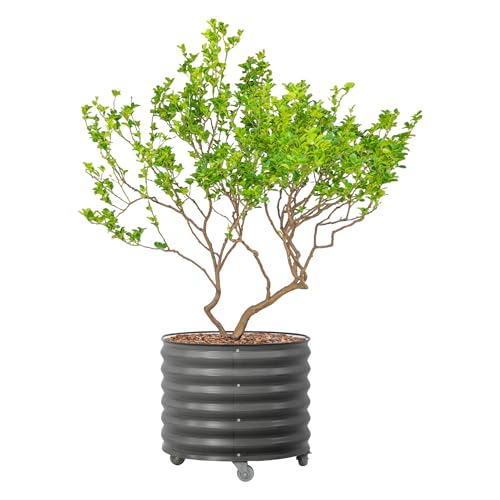
Compact Yet Sturdy Design: Introducing our 27″ by 23.5″ rounded square rolling planter pot-a small powerhouse perfect for your patio. Despite its size, this planter boasts heavy-duty locking wheels, robust frames, and exceptional drainage holes for watering.

DURABLE PLASTIC: Made from high-grade plastic, this planter box is all-weather resistant to cracks, scratches, UV and fading; perfect for hot or cold climates ranging from -30 to +50 degrees so you can feel equally as comfortable using it outdoors or indoors

Durable Plastic Construction: Made from high-grade plastic that is all-weather resistant to cracks, scratches, UV and fading; perfect for hot or cold climates from -20 to +120 degrees.
Incorporating Climbing Plants and Trellises

Three essential components enhance balcony greenery: climbing plants, sturdy trellises, and thoughtful placement. Climbing plants like jasmine or clematis grow quickly and cover vertical spaces, creating lush, natural walls. Trellises, typically made from weather-resistant wood or metal, provide firm support for these plants while improving air circulation. This ventilation prevents mold and promotes healthy growth in confined balcony settings. Properly installed trellises can measure about 6 feet tall and 2-3 feet wide, perfect for small spaces. Besides adding height and visual interest, climbing plants with trellises establish effective privacy screens, shielding balconies from neighbors. Positioning trellises near slim trees creates layered greenery that maximizes space while maintaining openness. This combination benefits both plant health and overall balcony aesthetics without overcrowding the limited area. For long-lasting results, using weather-resistant materials for trellises and plants ensures durability and minimal maintenance.
Recommended Products
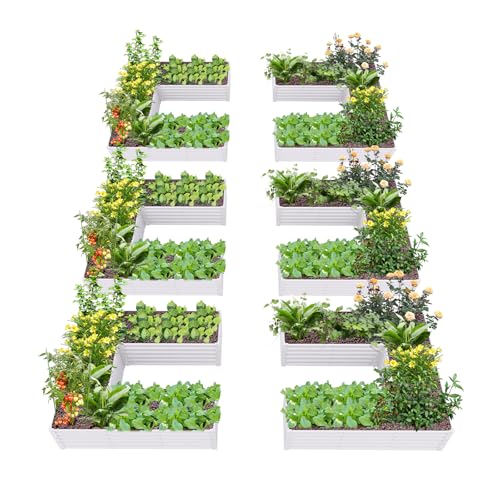
💎 Longer Lifespan: Made of 22-gauge 0.8mm thickness corrugated galvanized steel with multi-layer eco-friendly powder coatings. The large planter box is heavy duty and strong enough to hold soil for decades.

Various Sizes & Self-Installation: It comes with an instruction manual. Whether you want to create a lush green backdrop or a large privacy screen, this product can suit your needs. Sturdy metal base for extra support (Sold Separately)

HIGH QUALITY PE MATERIAL: Our artificial fencing panel is made of high density polyethylene, UV&weather-resistant and not easy to fade. It is durable for long-term use and maintenance-free, saving your time and cost-effective.
Combining Trees With Colorful Flowers

When slim trees with columnar profiles are paired with colorful flowers, they create a balanced and visually striking focal point on a balcony. Slim trees, such as Italian cypress or hornbeam, offer vertical interest without crowding limited space. Placing colorful flowers, like pansies or petunias, around these trees’ bases adds vibrant contrast and softens the structural silhouette. Selecting blooms with staggered flowering seasons—spring tulips, summer marigolds, and autumn chrysanthemums—ensures continuous color throughout the year. This combination enhances texture variety and depth, simulating a lush garden atmosphere. Grouping one or two slim trees with carefully chosen colorful flowers maximizes aesthetic impact while optimizing spatial efficiency. Such thoughtful arrangements make balconies inviting, lively environments suitable for small-scale urban horticulture.
Complementing Architectural Features
Although balconies are often compact, slim trees can be strategically placed to complement architectural features. Placing slim trees like columnar evergreens near balcony railings or corners frames structural elements effectively without consuming much space, preserving an airy outdoor space. These trees, typically 6 to 8 feet tall with narrow trunk diameters under 6 inches, provide vertical interest that enhances visual flow across the balcony. Positioning them alongside pillars or walls integrates natural lines with built forms, softening sharp edges and adding textural contrast. Selecting decorative planters made from concrete or ceramic, sized to fit limited floor areas and matching the balcony’s material palette, further unifies the design. A well-balanced arrangement of one or two slim trees can create harmony, contributing both functionally and aesthetically to the outdoor space’s architectural character. Additionally, opting for UV-resistant foliage in faux trees ensures long-lasting color and durability, making them ideal for outdoor balcony use.
Using Trees to Define Seating Areas
In many balcony designs, one or two slim trees effectively define seating areas by creating subtle, natural separations. Positioned at seating ends, these trees act as visual dividers, enhancing privacy without cluttering the balcony floor. Slim tree species, with trunks typically 2 to 4 inches in diameter and heights between 6 to 10 feet, maximize vertical space efficiently. Their placement allows seating zones to feel distinct while remaining connected. Integrating these trees with sofas or chairs that complement their size establishes a cohesive aesthetic. Additionally, the natural textures soften rigid architectural lines around the balcony floor, inviting relaxation or small gatherings. Properly spaced trees facilitate unobstructed movement, maintaining safety and functionality without reducing usable floor area, essential for balconies under 150 square feet. Choosing UV-resistant materials ensures that artificial trees maintain their appearance and durability in outdoor balcony environments.
Lighting Options for Tree Accents
Strategic lighting enhances the visual impact of balcony trees during evening hours. LED string lights wrapped tightly around slim tree trunks can create warm, inviting glows, complementing outdoor furniture arrangements. Lantern lights, historically used for their soft illumination, sit effectively at the tree base, producing steady amber tones that softly highlight surrounding foliage. Fairy lights draped sparingly over branches add whimsical brightness, highlighting leaf texture while supporting seasonal decorations. For more dynamic effects, multi-colored icicle or curtain lights provide visual interest and can turn the tree into a focal point within balcony layouts measuring as small as 3 by 6 feet. Solar-powered lighting options offer sustainable alternatives, reducing electrical consumption and simplifying installation, making them ideal choices for balcony spaces with limited access to power outlets. Additionally, choosing trees with weighted bases enhances stability, ensuring safe placement even when integrated with lighting features.
Recommended Products

WHAT’S IN THE BOX - Includes one Philips Hue 130-foot Festavia string light with 500 individual mini smart LEDs; Perfect for everyday decor or any occasion, it can be used both indoors and outdoors.

FESTIVE LIGHTING: Experience the joy of festive season with warm light, featuring 100 clear incandescent bulbs.

IN- AND OUTDOOR LIGHT STRING: LED light string for ambient garden, patio, yard, or balcony lighting or as a Christmas decoration; 16 M+ colors and a choice of various warm or cool white shades
Maintaining Slim Trees in Balcony Spaces
When selecting slim trees for balcony spaces, vertical growth habits like columnar or dwarf varieties optimize limited horizontal room efficiently. Proper drainage is essential; containers should have drainage holes of at least 5 mm diameter to prevent waterlogging and root rot. Use wide, shallow pots made from lightweight materials such as fiberglass or resin, approximately 40–50 cm in diameter and 25–30 cm deep, to provide stability without overcrowding. Regular pruning maintains shape and encourages healthy growth, while pest inspections prevent infestations. Staking or trellising supports vertical growth and keeps slim trees tidy. Soil must be well-draining, preferably a mix of 60% peat, 30% perlite, and 10% compost, ensuring adequate nutrient retention without excess moisture. Consistent maintenance maximizes slim tree health and performance in confined balcony environments. Additionally, choosing UV-resistant materials helps protect the trees from sun damage and extends their appearance and longevity in outdoor balcony settings.
Frequently Asked Questions
Which Tree Is Best for a Balcony?
The best balcony trees include dwarf Japanese Maple and Olive trees, chosen for their compact size. Tree care tips emphasize proper pot size, adequate drainage, and consideration of sunlight and wind exposure to guarantee healthy growth in limited spaces.
What Balcony Decor Increases Property Value?
Balcony decor that skyrockets property appeal includes lush greenery, elegant lighting, and high-quality furnishings, creating an aesthetic enhancement so impactful it transforms ordinary spaces into stunning showcases that captivate potential buyers and elevate market value considerably.
How to Arrange Plants in a Small Balcony?
Plant arrangement in a small space should maximize verticality by using tall planters and hanging pots. Grouping plants at varied heights creates depth, while clustering encourages a cozy feel and frees floor area for functional balcony use.
How to Style a Narrow Balcony?
Styling a narrow balcony involves integrating creative seating solutions and vertical gardens to maximize space. Utilizing wall-mounted planters and compact furniture enhances functionality while maintaining an inviting, green atmosphere without overcrowding the limited area.


